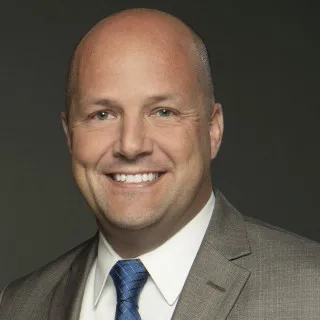
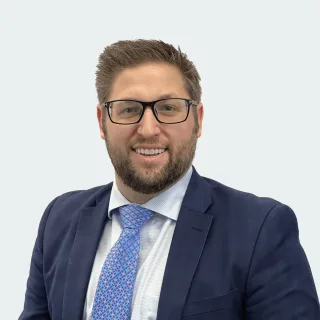
About Thomas C.
Thomas C. Crumplar earned his law degree from the University of Virginia School of Law in 1975 after completing undergraduate work at the University of Michigan in 1971. The years at Virginia placed him among a cohort of lawyers entering practice in the mid-1970s, a period of significant change in litigation and federal procedure. His academic background set the stage for an early clerking opportunity at the federal level.
Fresh from law school in 1975, Crumplar served as a legal clerk to Federal Judge John T. Copenhaver. The clerkship gave him an inside view of federal court operations and judicial decision-making. It was a formative step that many attorneys take before entering private practice; for Crumplar it preceded a career building a trial-oriented practice.
Six years later, in 1981, he co-founded Jacobs & Crumplar, P.A. That firm would become the base of his private practice. As a founding partner he helped shape the firm's approach to litigation and client service. He has maintained ties to the firm over decades and has practiced from offices in Wilmington and Georgetown, representing clients in matters that arise in state and federal courts in the region.
Crumplar’s professional memberships reflect a range of interests. He holds membership in the National Crime Victim’s Bar Association and in the American Association for Justice. He is also a member of the New Jersey State Bar. These affiliations suggest sustained involvement in litigation communities and in groups that address victims’ rights and trial practice issues.
Over the years, his courtroom work and the matters handled by his firm have required knowledge of procedural rules and evidence as well as the practical demands of trial preparation. Clients and colleagues note a long tenure in practice that spans decades. He has worked on cases that require coordination across jurisdictions, an aspect of practice that has become more common as litigation has grown more complex.
Crumplar continues to practice law from the firm’s Wilmington and Georgetown offices. He remains active in bar-related organizations and in the day-to-day work of litigation. His current practice centers on trial-level work and representation of clients in civil matters that arise in Delaware and nearby jurisdictions.