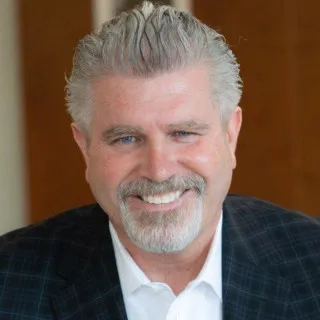
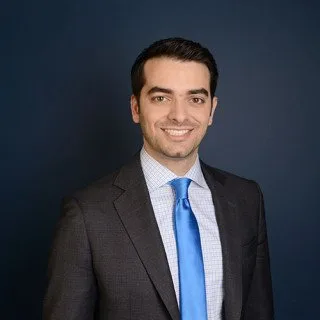
About Roger
Roger Lang pairs engineering training with legal practice. He earned both a Bachelor of Science and a Master of Science in Mechanical Engineering from the Georgia Institute of Technology. He then turned to the law and received a J.D. from William Mitchell College of Law, where his coursework emphasized intellectual property and creditor/debtor/bankruptcy law. The combination of rigorous technical study and targeted legal education shapes his approach to disputes and filings.
Early in his career he moved into work that bridged those two worlds. His technical background helps him read patent specifications and technical drawings without losing time to translation. His law school concentration gave him the vocabulary and procedural grounding for bankruptcy matters and the creditor-debtor landscape. He has taken that hybrid skill set into practice, handling matters that require comfort with both engineering detail and legal procedure.
He is admitted to practice in Georgia and before several federal courts and tribunals. Those credentials include the United States Court of Appeals for the Eleventh Circuit, the Georgia Supreme Court, the United States Court of Appeals for the Federal Circuit, the Georgia Court of Appeals, and the U.S. District Court for the Northern District of Georgia. He is also registered to appear before the United States Patent and Trademark Office. That mix of admissions lets him handle patent prosecution, appeals at the Federal Circuit, and district court litigation when cases advance to federal trial courts.
In the office he conducts patent preparation and prosecution and addresses enforcement questions that arise in patent litigation. He also works on matters stemming from creditor-debtor relations and bankruptcy where technical assets or intellectual property interests are at stake. His engineering degrees inform claim drafting and technical arguments, and his legal training informs strategy for insolvency-related disputes. He aims for clarity in technical explanations so judges and opposing counsel can follow the core issues without wading through unnecessary jargon.
Colleagues describe him as methodical in handling filings and deliberate in courtroom preparation. He balances attention to technical detail with procedural discipline. Outside of litigation and prosecution he prepares opinions on patentability and freedom-to-operate where needed. He currently concentrates his practice on intellectual property matters, patent prosecution before the USPTO, and creditor-debtor disputes.