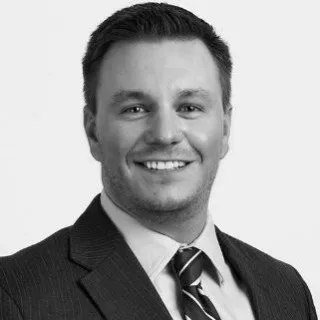
About Kramer A.
Kramer A. Litvak began his academic journey in the liberal arts and carried that perspective into a legal career focused on tax and related areas. He studied European history as an undergraduate before turning to the law. That mix of historical inquiry and legal training underpins the way he approaches complex statutory and transactional problems.
He earned a B.A. in European History from Washington & Lee University in 1988, a J.D. from Mercer University Walter F. George School of Law in 1992, and an LL.M. in Tax Law from the University of Florida in 1993. The additional tax degree provided specialized training beyond the general law curriculum. Those credentials reflect an early and sustained interest in the technical side of taxation and its practical effects on estates, trusts, and property matters.
Litvak practices in Florida and is board certified as a tax lawyer by the Florida Bar. Over the course of his career he has handled a range of matters that intersect tax law and private wealth planning. He advises individuals and businesses on tax planning, represents clients in tax controversies, and works on matters involving estate and trust administration. He also assists in real property transactions where tax considerations are an important part of deal structure and post-closing obligations.
He is a member of the Florida Tax Section and the Florida Real Property, Probate and Trust Law Section. Those professional affiliations keep him connected to developments in state-level tax policy, probate rules, and property law practice. They also provide opportunities for continuing legal education and for exchanging practical strategies with other practitioners who face similar client problems.
Colleagues describe Litvak as methodical in parsing statutes and regulations and pragmatic when advising on transactional choices. He tends to combine technical tax analysis with attention to client goals and administrative realities. His practice today blends tax law, estate and trust issues, and real property questions, and he continues to advise clients on planning and disputes that raise both tax and fiduciary concerns.