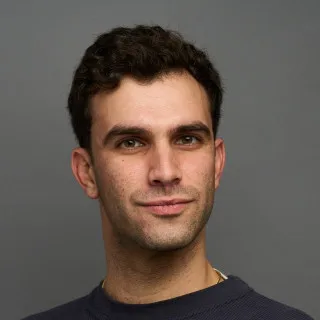
About Dayrel
Dayrel Sewell trained at some of the country’s most recognized institutions. He attended The Johns Hopkins University, continued his studies at Columbia University, and completed legal training at Benjamin N. Cardozo School of Law. Those schools shaped his approach to problem solving and legal reasoning.
He began his professional life in environments that demanded technical accuracy and procedural rigor. Over time he moved into private practice and now serves as principal of the LAW FIRM OF DAYREL SEWELL, PLLC. That role puts him at the center of a small practice where he manages client matters, supervises filings, and handles courtroom and administrative tasks when cases call for it.
Sewell’s credentials reflect a mix of intellectual property and transactional work. He is a registered patent lawyer admitted to the United States Patent Bar. He is also licensed as a real estate broker and a notary public by the New York State Division of Licensing. The combination allows him to advise on patent prosecution and related federal matters, while also handling certain commercial real estate and transactional needs at the state level. He is admitted to practice in New York and the District of Columbia, and he holds rights of audience in the 2nd Circuit and the Federal Circuit.
Colleagues describe Sewell as thorough and practical in his handling of files. He maintains memberships in the Brooklyn Bar Association and participates on the Law Affinity Committee at The Johns Hopkins University. Those affiliations keep him connected to the legal community and to alumni networks that feed both referrals and perspective.
In practice he tends to handle matters that sit at the intersection of law and technical detail. Clients come to him for patent matters, federal filings, and business-related issues that benefit from someone who understands both regulatory process and commercial drivers. He runs a compact office that lists business services among its primary offerings. His current practice concentrates on patent representation, federal litigation access in the circuits where he is admitted, and transactional matters related to business and real estate.