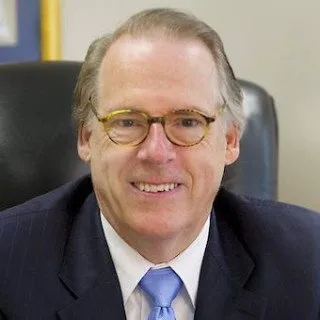
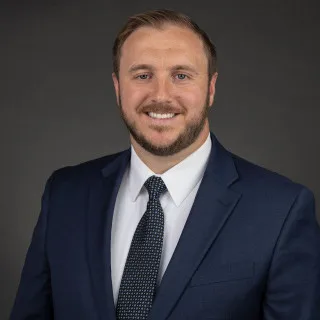
About William E
William E Carter moved from information systems into law over the course of a few focused years. He earned a B.S. in Information Systems from Saint Leo College in 2000. He then completed an MBA in Business Management at Regis University in 2002. Two years later he received his J.D. from Quinnipiac University School of Law in 2004. Those academic steps framed a transition from technical and business studies into the practice of law.
After law school he took the route many solo practitioners choose: he built a practice. He is admitted to practice in Connecticut and to the United States Court of Appeals for the Second Circuit. Since 2007 he has worked as a lawyer at the Law Office of William E Carter. That record shows continuity. It also suggests steady engagement with both state court matters and federal appellate filings.
His educational background in information systems and business gives him a different set of tools to bring to legal problems. He has combined legal training with prior studies in management and technology. Clients and colleagues have noted a practical bent in his work. He tends to address procedural and factual issues in straightforward terms. He breaks complex material into parts that are easier to weigh and discuss.
In day-to-day practice he is the primary lawyer at his office. He handles filings, court appearances, and client counseling from a small-office setting. He prepares pleadings and briefs, manages discovery, and appears in Connecticut courts when matters require it. He is also authorized to appear before the Second Circuit for matters that proceed to that level.
Despite the limited public record of high-profile cases or academic appointments, his career reflects a common path for local practitioners: a law degree followed by a period of establishing an individual practice and serving a regional client base. That pattern can demand adaptability and a wide berth of practical skills. As of 2026 he practices at the Law Office of William E Carter, serving clients in Connecticut and in matters before the Second Circuit.