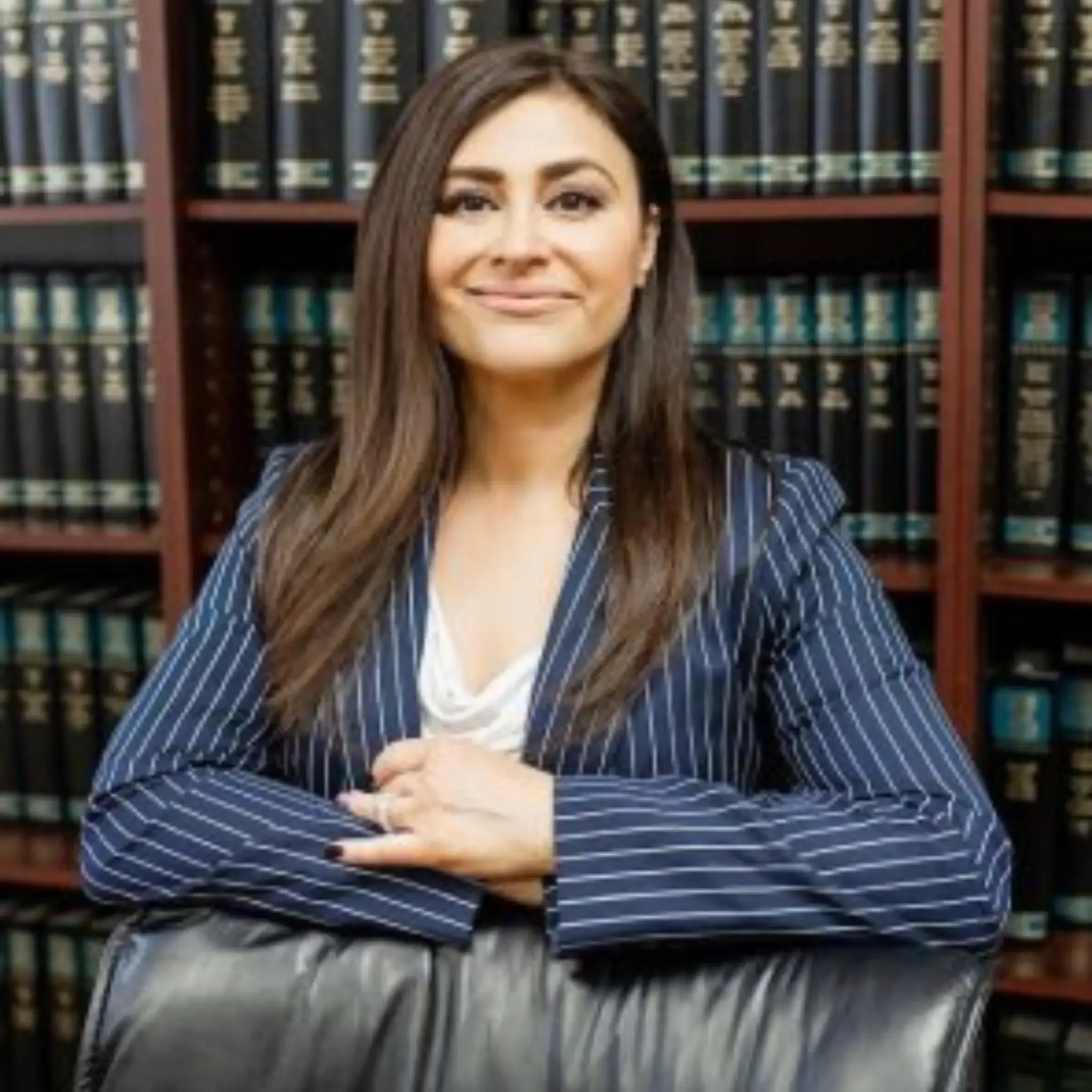
About Thomas
Thomas Wilkinson built his legal foundation at the University of New Hampshire, where he earned a B.A. in 1978. He completed his legal education at Villanova University School of Law, receiving a J.D. in 1981. Those years laid the groundwork for a practice that touches both state and federal courts across multiple jurisdictions.
After law school, Wilkinson pursued courtroom work and admissions that reflect a broad federal and state practice. He is admitted in Pennsylvania and Massachusetts and holds admissions to several federal courts, including the U.S. District Courts for the Middle and Eastern Districts of Pennsylvania, the U.S. Courts of Appeal for the Second, Third and Fourth Circuits, and the U.S. Supreme Court. He is also admitted to the Pennsylvania Supreme Court and the Supreme Judicial Court of Massachusetts. That breadth of admission has allowed him to appear in trial courts, intermediate appeals and at the nation's highest court.
His professional affiliations show engagement beyond individual casework. He serves on the Board of Governors of the American Bar Association, a position he has held since 2021. He is also a member of the Montgomery Bar Association. Those memberships place him in professional circles where policy, ethics and practice issues are discussed among practitioners from across the country.
Wilkinson has been associated with Cozen O Connor. His connection to that firm is part of a career that mixes litigation and appellate work. Colleagues have relied on his knowledge of procedural practice and court rules in complex matters. He has litigated in federal district courts and argued matters in appeals courts, drawing on the procedural and substantive law that governs those forums.
Courtroom practice has been a consistent feature of his career. He has prepared clients for jury trials, bench proceedings and appellate oral arguments. He has moved cases through the trial court process and managed appeals. That experience translates into a practical understanding of case strategy from filing through potential review by appellate panels or the U.S. Supreme Court.
Today he continues to practice law and remains active in bar governance. His work spans civil litigation at both the trial and appellate levels in state and federal courts. His current practice focuses on federal and state litigation and appellate representation.