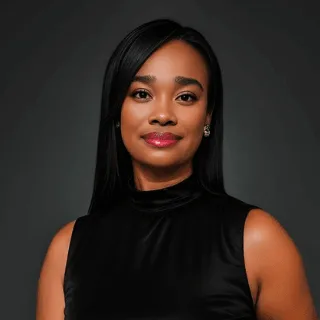
About Philip L.
Philip L. Marcus built a foundation in engineering before turning to the law. He earned a B.S. in electrical engineering from the Massachusetts Institute of Technology in 1959 and an M.S. in electrical engineering from MIT in 1963. A decade later he completed a J.D. at the University of Maryland - Baltimore in 1970. Those academic steps span technical training and formal legal education.
His early years of study placed him at the intersection of technical problems and legal questions. The sequence of degrees suggests an appreciation for precise analysis and complex subject matter. That background has informed how he approaches legal issues, especially those that involve technical detail or statutory interpretation.
After receiving his law degree in 1970, Marcus pursued admission to the bars that would allow him to practice in Maryland and at the national level. He is admitted in Maryland and also holds admission to practice before the U.S. Supreme Court. Those credentials reflect a career that has engaged with state law and, at times, matters that can extend to federal appellate review.
His combination of an engineering education and a legal credential positions him to address cases where technical knowledge matters. The record of admissions indicates he can prepare filings and, if required, participate in proceedings beyond trial courts. Admission to the U.S. Supreme Court does not itself indicate appearances there, but it does make such appearances possible.
Marcus’s career spans a period of substantial change in both technology and law. He earned his engineering degrees during the early years of modern electronics and completed his legal training as courts were adapting to new categories of disputes. That chronology gives him a long view of how legal doctrines and technical developments have evolved side by side.
Public information about offices and specific roles is not listed here. What is evident is the unusual combination of advanced engineering education followed by a professional legal credential. That combination is relatively uncommon among lawyers of his generation and can be helpful in cases that call for technical literacy alongside legal argument.
He practices in the jurisdictions where he is licensed and is available to handle matters that raise state or national questions. He maintains a practice handling matters in the jurisdictions where he is admitted, including Maryland and matters that may require appearances before the U.S. Supreme Court.