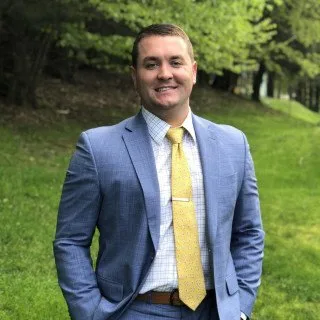
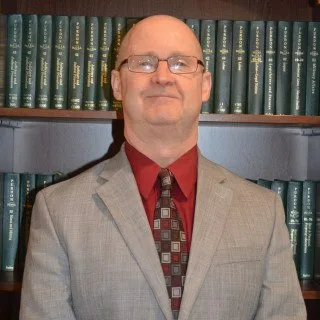
About Patrick J.
Patrick J. Kilker trained first as a student of languages and the mind. He attended the University of Arizona in 1985, studying psychology and Spanish. He completed a bachelor’s degree in psychology at the State University of New York at Binghamton in 1989 and earned his J.D. from Western New England University School of Law in 1990.
Kilker entered private practice early in his career. In 1993 he founded the Law Office of Patrick J. Kilker and ran it for more than two decades. That period allowed him to build a steady practice and to handle the kinds of problems that keep small firms busy: client counseling, courtroom work, and the day-to-day tasks of running a business. He kept his practice flexible while maintaining courtroom readiness.
In 2020 Kilker joined Tully Rinckey, P.L.L.C. as a partner. The move marked a shift from solo practice into a larger firm environment. It also placed him within a firm infrastructure that handles a broader slate of litigation and appeals. Colleagues describe him as methodical in preparing filings and deliberate in court. He is admitted to practice in New York and in the United States Court of Appeals for the Second Circuit.
Outside of casework Kilker has stayed involved in the legal community through professional memberships. He has continued to engage with peers and to follow developments in appellate procedure and federal practice. His background in psychology informs his approach to client interviews and courtroom presentation. He draws on that earlier academic training when evaluating witness testimony and assessing case themes.
Those who have worked with him point to a steady work ethic that shaped his years in solo practice and his transition to partnership. He balances case preparation with the administrative demands that come from supervising matters in a larger firm. That combination of trial experience and firm-side management figures into how he assigns priorities and resources on a file.
Today Kilker works out of Tully Rinckey PLLC. He continues to handle matters that arise in New York and in the Second Circuit, practicing in settings that include trial courts and appellate briefs.