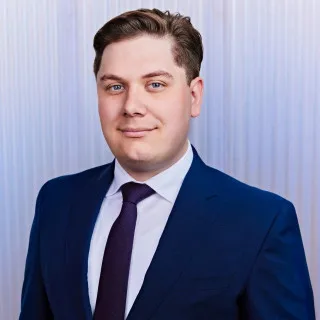
About Kaushik
Kaushik Rambhotla earned his J.D. from St. Thomas University School of Law in 2009. He came through a curriculum that emphasized both procedure and practical skills. The degree stands as the foundation for a career spent practicing law in Texas and in federal court.
Rambhotla is admitted to practice in the State of Texas, the Western District of Texas, and before the U.S. Supreme Court. That mix of state and federal admissions allows him to handle matters that move between local and national forums. It also means he can appear for clients in a range of proceedings, from county court dockets to federal filings.
Training outside the traditional classroom has shaped his approach. He completed Standardized Field Sobriety Training at Navarro College. That training is a technical credential prosecutors and defense lawyers both respect. He also completed a 40-hour mediation course through the Duncum Center for Conflict Resolution and is qualified as a court-annexed mediator. The mediation credential adds a different skill set—one built around managing conferences, drafting settlement terms and helping opposing parties reach a resolution on the court’s docket.
Those qualifications inform how Rambhotla handles cases. The sobriety training equips him to question procedures and evidence in impaired-driving matters. The mediation training gives him the tools to run settlement talks when a negotiated outcome makes sense. He blends courtroom preparation and alternative dispute techniques depending on what a case requires. He does not rely on a single playbook.
Colleagues and opposing counsel see him as methodical. He prepares for hearings and trials in a way that reflects the technical and procedural aspects of litigation. In federal matters, admission to the Western District of Texas means he can litigate where constitutional and federal statutory issues arise. In state matters, the practical skills from field sobriety and mediation training prove useful on many dockets.
Rambhotla maintains a practice centered on courtroom work and dispute resolution in Texas and in federal court. He accepts cases that involve impaired-driving issues, traffic-related defenses, and civil disputes where the option of mediation is available. He currently practices in Texas, handling DUI and traffic defense and serving as a court-annexed mediator.