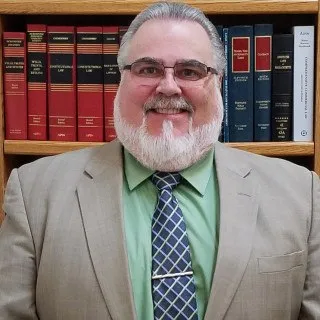
About David King
David King Reppucci built his legal foundation over the course of the 1960s and 1970s. He completed his high school studies at Keith Academy in 1967, earned a B.A. in Philosophy from Villanova University in 1971, and received a J.D. from New England Law | Boston in 1976. Those formative years set the stage for a long career in law centered in Massachusetts and extending into several federal forums.
He joined the Massachusetts bar in 1977 and has maintained membership in the Massachusetts State Bar since then. That year marked the start of a steady presence in the state's legal community. Over time he expanded his admissions to include the United States Court of Appeals for the First Circuit, the United States Tax Court, the United States Court of Military Appeals, and the United States Court of Claims. Those credentials allowed him to appear in a range of specialized and appellate venues.
Reppucci’s record shows a lawyer who moved from classroom study to courtroom practice during an era of shifting legal landscapes. His academic background in philosophy and law shaped an analytical approach to problems. He has navigated procedural and substantive questions in state and federal settings. Admission to the Tax Court and federal appellate courts suggests familiarity with tax, claims, and appellate procedures, though his work has been guided by the requirements of each forum rather than a single practice label.
Colleagues describe his career as steady rather than flashy. He has been part of the Massachusetts legal fabric for decades. That longevity afforded him opportunities to work on matters that required filings in federal specialty courts and appeals where statutory interpretation and procedural precision matter. He practiced at times when federal courts increasingly shaped local outcomes, and his admissions reflect that shift.
Reppucci handled matters that required careful attention to jurisdiction and pleading strategy. He prepared briefs, argued procedural motions, and managed filings across different courts. Those tasks demanded a familiarity with both state rules and the nuances of federal tribunals. Clients and opposing counsel encountered a lawyer accustomed to the pace and strictures of appellate and specialized litigation.
Today he continues to maintain active membership in the Massachusetts bar and remains admitted in the First Circuit, U.S. Tax Court, U.S. Court of Military Appeals, and U.S. Court of Claims. His current practice focuses on matters that require representation in state court and in the federal appellate and specialized tribunals where he is admitted to appear.