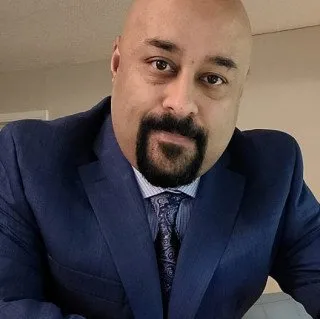
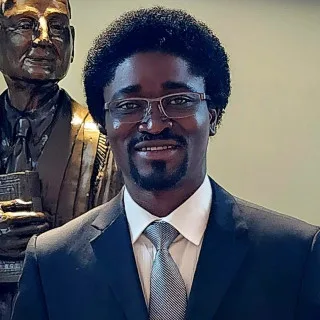
About Daniel M. Epstein
Daniel M. Epstein M.D. brings an uncommon combination of medical and legal training to his work. He earned his M.D. from the University of Tennessee College of Medicine in 1987 and completed a J.D. at Harvard Law School in 1990. Those two degrees shape how he approaches cases and client problems.
Epstein's medical education preceded his legal training. The clinical background gives him familiarity with medical records, diagnostic reasoning, and the language of treating physicians. The law degree followed quickly, and it provided the tools to translate clinical complexity into legal argument and strategy.
He is a member of the State Bar of Georgia and is licensed to practice in that state. In 2010 he joined Slappey & Sadd LLC as a lawyer. That affiliation is the primary base for his legal practice in Georgia.
In practice Epstein focuses on matters that involve medical questions. He reviews charts, evaluates care decisions, and works to present technical medical material in a way that judges, juries, and opposing counsel can understand. His dual training positions him to identify salient clinical issues early in a case and to frame them in legal terms.
Colleagues describe Epstein as someone who moves between clinical detail and courtroom procedure with ease. He spends time preparing expert testimony, scrutinizing records for both strength and vulnerability, and coordinating fact development around medical timelines. He is also familiar with the standards and terminology that govern medical practice, which informs his work on cases that require medical analysis.
Outside the courtroom he maintains professional ties in both medicine and law. Membership in the State Bar of Georgia keeps him engaged with developments in state practice and procedure. The combination of medical knowledge and legal training shapes the questions he asks when evaluating potential matters.
He practices at Slappey & Sadd LLC in Georgia. His current work centers on legal matters that involve clinical facts and medical records, where his medical training informs case assessment and advocacy.