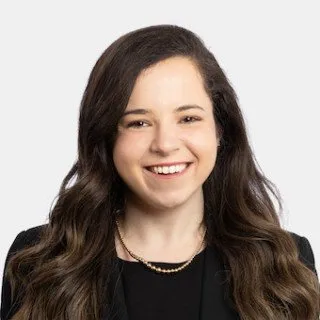
About Corey M.
Corey M. Shapiro graduated from Brooklyn Law School in 2000. He entered the New York legal scene at the turn of the century, taking the standard route from law school into firm life. His legal education provided the foundation for a practice centered on family law and financial issues that arise in divorce and separation matters.
He began his career as an associate at Wolfson & Carroll in 2001. That early period was spent handling client intake, discovery and the day-to-day demands of matrimonial litigation. In 2010 he advanced to partner at Wolfson & Carroll, a move that expanded his responsibilities to case strategy and firm management. Two years later the firm name changed to Wolfson Carroll & Shapiro, reflecting his role in leadership. By 2013 he was practicing under his own name, operating as Corey M. Shapiro, Esq.
Shapiro holds the CDFA credential from the Institute for Divorce Financial Analysts. That credential signals training in the financial aspects of marital dissolution. He is a member of the American Bar Association’s Family Law Section. He also maintains membership in the Association of Family and Conciliation Courts. Those affiliations inform his approach to cases that involve parenting plans, asset division and support calculations.
Over the years Shapiro has balanced courtroom work with negotiation and financial analysis. He has represented clients at hearings and mediations. He has prepared financial affidavits, analyzed pension and retirement issues, and addressed equitable distribution questions. The CDFA training complements traditional family law practice by adding technical grounding in valuing assets and modeling post-divorce finances.
Colleagues describe his practice as practical and detail-oriented. He has moved from associate to partner and then into solo practice. That trajectory gave him exposure to different firm structures and client needs. It also allowed him to shape the way he manages cases and communicates complex financial information to clients.
Today he practices in New York, maintaining a caseload that includes divorce proceedings, support matters and post-judgment enforcement. His current practice continues to rely on the intersection of family law and financial analysis.