Wrongful Termination Laws: What Employers Can't Fire You For
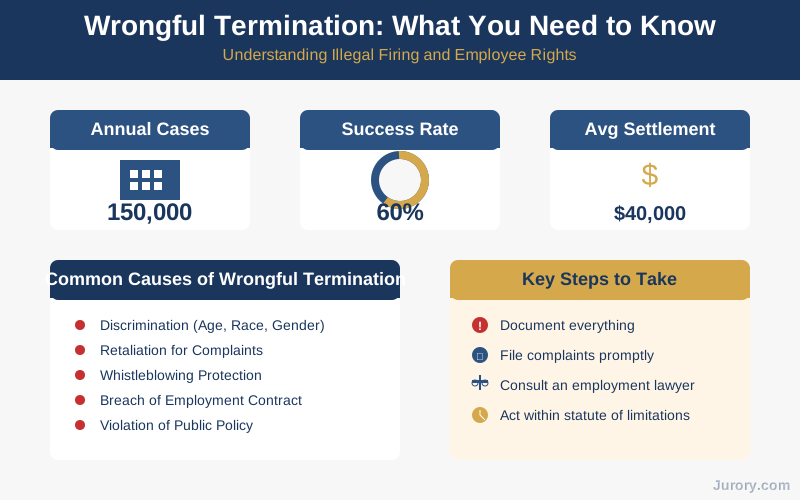
Getting fired sucks. But sometimes it's also illegal, and that changes everything because wrongful termination lawsuits result in average settlements of 40,000 dollars nationwide, with some cases reaching into the millions.
What Counts as Wrongful Termination
Here's the thing: most employment in America follows "at-will" rules. Your boss can fire you for almost any reason. Almost.
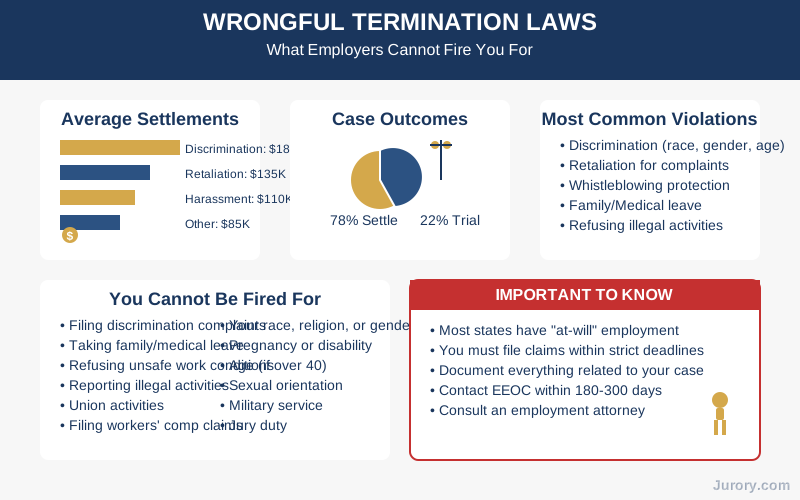
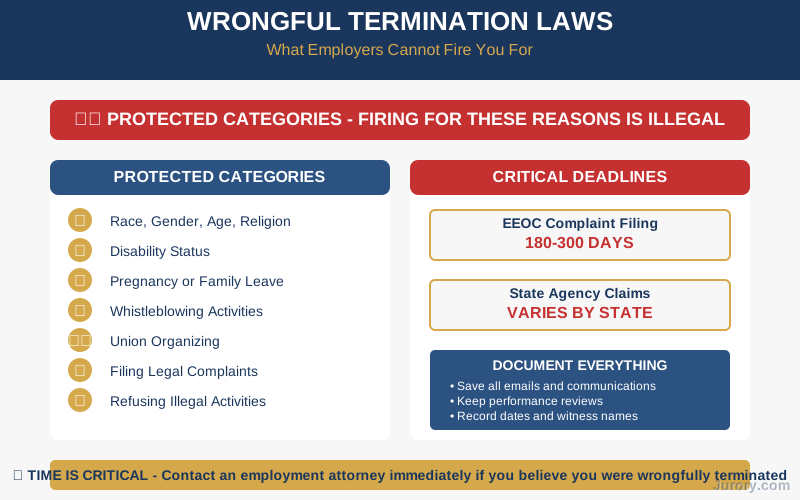
The law draws clear lines around certain protected categories, and crossing those lines costs companies serious money. You can't be fired for your race, gender, religion, age (if you're over 40), disability, pregnancy, or national origin under federal law. Many states add sexual orientation, gender identity, and other protected classes to this list.
Retaliation firings are different beasts entirely. Say you report sexual harassment to HR, file a workers' compensation claim, or blow the whistle on illegal company practices. Getting fired afterward? That's likely wrongful termination, even in at-will states.
Contract violations create another category. If your employment agreement specifies termination procedures or requires "good cause" for firing, your employer can't ignore those terms. Union contracts often include these protections, and some individual employment agreements do too.
Public policy violations round out the major categories - employers can't fire you for refusing to break the law, serving jury duty, or exercising your right to vote.
How Wrongful Termination Cases Work
⚖️ Need legal help? Submit your case for a free evaluation and get matched with qualified Employment Law attorneys.
Think you've got a case? The process starts with documentation.
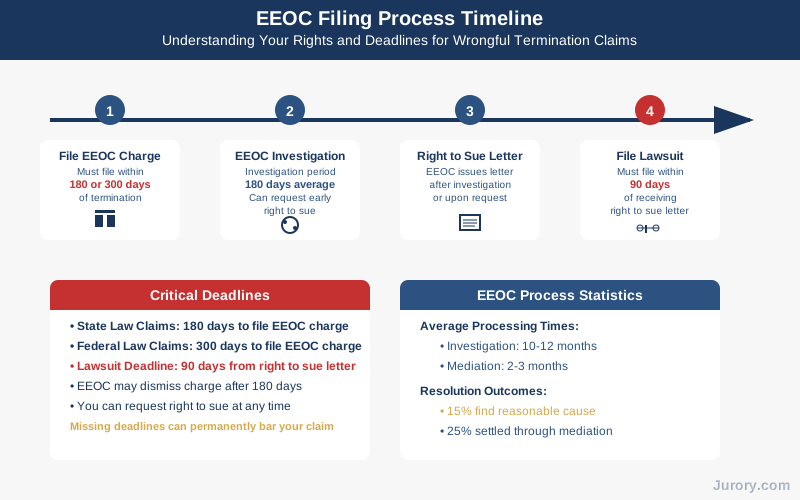
Collect everything: emails, performance reviews, witness statements, company policies, and records of any complaints you filed. The Equal Employment Opportunity Commission (EEOC) requires you to file a charge within 180 days of the discriminatory act in most cases, though some states extend this to 300 days.
Filing with the EEOC doesn't cost anything. They'll investigate your claim, and you'll get a "right to sue" letter regardless of whether they find merit in your case. This letter gives you 90 days to file a lawsuit in federal court.
But here's where it gets tricky - you're not required to wait for the EEOC investigation to finish. You can request an immediate right to sue letter if you want to move straight to court, which many attorneys recommend because EEOC investigations can drag on for years.
Most wrongful termination cases settle out of court. Companies hate the publicity and legal costs of drawn-out employment litigation. Settlement negotiations typically begin once your attorney files the complaint and can happen any time before trial.
What It'll Cost You
Good news first: many employment attorneys work on contingency. They take 33 to 40 percent of whatever you win, so you don't pay attorney fees upfront.
Filing an EEOC complaint costs zero dollars. Court filing fees run about 400 dollars in federal court, though you can request a fee waiver if money's tight.
The real costs come from case expenses: depositions (200 to 500 dollars per day), expert witnesses (300 to 600 dollars per hour), and document production. These expenses can reach 10,000 to 25,000 dollars in complex cases, but your attorney typically covers them upfront and gets reimbursed from any settlement.
Lost wages during litigation can hurt more than legal fees. Cases take 12 to 24 months on average, and you'll need income during that time.
How Different States Handle It
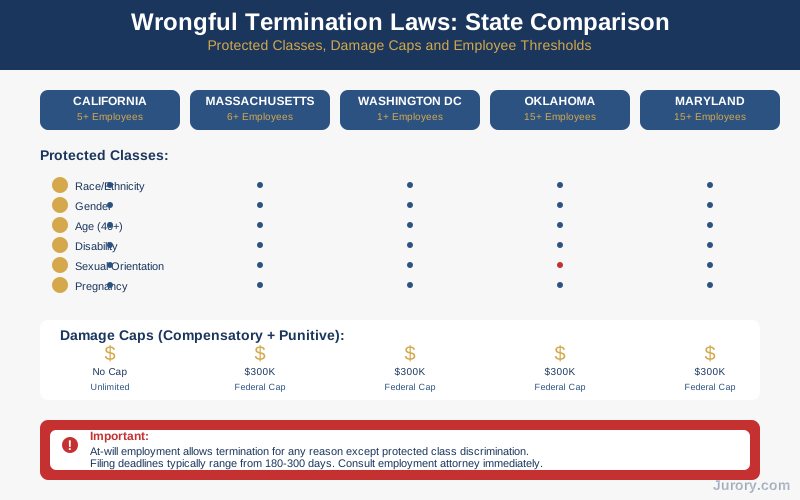
California goes further than federal law in protecting workers. The state covers sexual orientation, gender identity, political activities, and lawful conduct during non-work hours. California also has stronger whistleblower protections and allows punitive damages in discrimination cases.
Massachusetts includes additional protected classes like genetic information and arrests that didn't lead to conviction. The state requires employers with six or more employees to follow discrimination laws, compared to 15 employees under federal law.
Washington, DC treats wrongful termination cases under the DC Human Rights Act, which covers 19 protected traits including family responsibilities, marital status, and personal appearance. DC also allows unlimited punitive damages in some cases.
Oklahoma sticks closer to federal minimums but recognizes public policy exceptions for workers who file workers' compensation claims or report safety violations. The state also protects employees who refuse to take lie detector tests.
Maryland expanded protections to include genetic testing discrimination and created stronger retaliation protections for employees who report wage theft or request reasonable accommodations.
Mistakes That Kill Your Case
Most people think they can handle the initial steps alone. Wrong move - employment law has strict deadlines that can't be extended once they pass.
• Waiting too long to file EEOC charges (you get 180-300 days max) • Failing to document incidents as they happen • Not reporting discrimination through company channels first • Accepting severance packages without legal review • Posting about your case on social media
That last point trips up more people than you'd expect. Anything you post can be used against you in court, and employers regularly monitor former employees' social media during litigation.
Frequently Asked Questions
Can I be fired for complaining about my boss?
Depends what you're complaining about. General personality conflicts or management style? Probably not protected. But if you're reporting discrimination, harassment, safety violations, or other illegal conduct, that's likely protected activity under retaliation laws.
Do I need a lawyer for wrongful termination claims?
You can file EEOC charges yourself, but employment law is complex and mistakes can kill your case. Most employment attorneys offer free consultations and work on contingency, so there's little downside to getting professional help.
How much money can I get from a wrongful termination lawsuit?
Damages include lost wages, benefits, emotional distress, and sometimes punitive damages. Federal law caps compensatory and punitive damages from 15,000 to 300,000 dollars depending on company size, but many states don't have caps.
⚖️ Get Free Legal Help
Need legal assistance with Employment Law matters? Our platform connects you with experienced attorneys who can help. Describe your situation, and local lawyers will review your case and reach out to you directly.
Start Your Free Case Evaluation