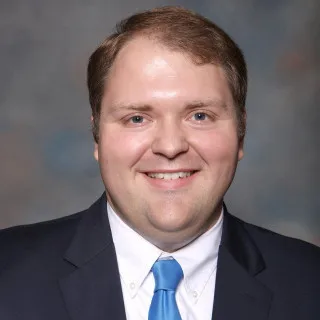
About Peyton
Peyton Moore took a direct path into the law. He studied criminal justice at the University of Mississippi, earning a B.A. before staying in Oxford to complete a J.D. at the University of Mississippi School of Law. Those years grounded him in the practical and theoretical questions that steer everyday courtroom work.
After law school, Moore joined McHard, McHard, Anderson, & Associates PLLC as an associate. He arrived at a firm known for handling contested matters across state courts. At McHard he moved into the routine of legal practice: research, drafting motions and briefs, preparing for hearings and supporting trial preparation. Colleagues describe him as methodical and attentive to the details judges and opposing counsel expect to see.
Moore’s academic background in criminal justice informs how he evaluates cases and client needs. He has trained in evidence analysis and criminal procedure during law school, and he applies that knowledge when assessing charges, discovery and trial strategy. He is admitted to practice in Mississippi and builds his work around the state’s rules and caselaw.
His time as an associate has included courtroom appearances and client meetings. Those experiences have shaped a lawyer who places a premium on clear writing and careful preparation. He spends substantial time on investigation and pleadings, trying to anticipate the evidentiary questions that will arise in court and at depositions. He also works closely with senior attorneys at the firm on complex matters, contributing research and drafting that supports trial and negotiated resolutions.
Outside the courtroom, Moore keeps current on changes in criminal law and procedure. He follows state appellate decisions and attends continuing legal education to maintain practical competence. That steady attention to law and practice standards helps him advise clients about risks and likely outcomes.
Today he is an associate at McHard, McHard, Anderson, & Associates PLLC, practicing in Mississippi. His practice centers on matters that draw on his criminal justice training and on litigation at the trial level.