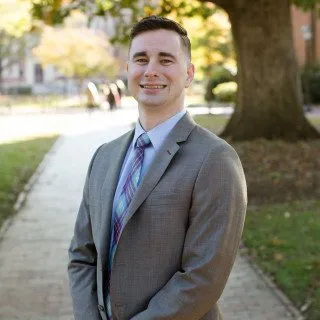
About Paul R
Paul R. Lucey studied government at Harvard University, earning his B.A. in 1977. He went on to law school at Cornell, where he received his J.D. in 1988. Those formative years set him on a steady path through both private practice and court work.
He began his legal career in the early 1990s. In 1991 he joined Hale & Dorr as an associate, gaining exposure to litigation and firm practice. By 1994 he was an associate at Kirkpatrick and Lockhart LLP, where he continued to develop litigation skills. In 1997 he served as associate and later of counsel at Dickstein Shapiro LLP, a role that placed him alongside senior trial and appellate attorneys.
Across those roles he worked on a range of matters that required coordination across firms and courts. His experience over more than two decades involved preparing briefs, managing discovery, and appearing in court at various stages of litigation. Colleagues from those years recall a lawyer who preferred careful preparation and clear writing over theatrical courtroom moments.
Mr. Lucey is admitted to practice in several jurisdictions: the First Circuit, the District of Columbia, Massachusetts, and North Carolina. That multi-jurisdictional admission reflects a career spent handling matters that often cross state lines or touch federal rules. He has filed pleadings and handled proceedings in federal and state settings tied to those admissions.
Later in his career he moved into private practice. He formed The Law Office of Paul R. Lucey PLLC, where he continued to accept matters that required knowledge of the courts in which he holds admission. His practice draws on the procedural work and courtroom experience accumulated from his years at larger firms.
Today he operates his own practice and manages client matters personally. He handles representation in proceedings across the jurisdictions where he is admitted, concentrating on litigation and court work that require multi-jurisdictional experience. His current practice focuses on representation in federal and state court matters across those jurisdictions.