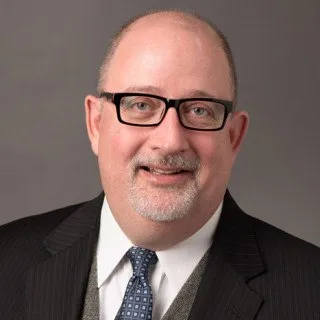
About Michael
Michael Eisenberg earned his B.A. from the University of Wisconsin–Madison in 2009 and went on to receive his J.D. from The John Marshall Law School in 2012. His academic path kept him in environments known for rigorous curricula and large, diverse student bodies. The sequence of degrees places him among attorneys who made a direct transition from undergraduate study to law school, completing his formal legal education in the early 2010s.
After completing law school in 2012, Eisenberg began building a practice that has spanned more than a decade. He entered the profession during a period of steady change in legal markets, and his career has unfolded alongside evolving client needs and shifting courtroom practice. Those years in practice have given him experience handling the everyday demands of legal work, from research and briefs to client counseling and courtroom appearances.
Eisenberg’s training at two sizable institutions shaped his professional outlook. The undergraduate experience at a research university and subsequent legal education in Chicago exposed him to a range of legal theories and practical skills. His time in law school included the core doctrinal study that many newer lawyers rely on as they move into active practice, and it provided opportunities to refine writing and analysis—skills that remain central to his work.
Colleagues and former classmates note that Eisenberg is methodical in his approach. He tends to break complex problems into manageable parts and address them one step at a time. That methodical style shows up in how he prepares for hearings and structures legal arguments. It also guides client conversations, where clear explanation and careful pacing can be as important as the legal strategy itself.
Over the years he has handled a range of assignments typical for attorneys who practice in private settings and who also collaborate with other counsel when cases require it. He has stayed active in the profession through ongoing casework and continuous attention to developing legal issues. This steady practice has allowed him to adapt to procedural changes and to maintain a practical understanding of litigation and transactional mechanics.
As of 2026, Eisenberg continues to practice law and applies his training and practical experience to serve clients. His current practice centers on advising individuals and businesses on civil legal matters.