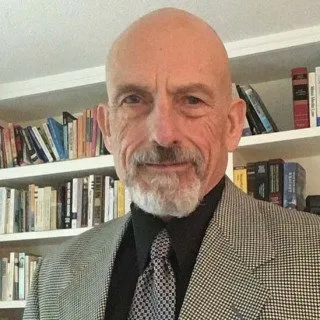
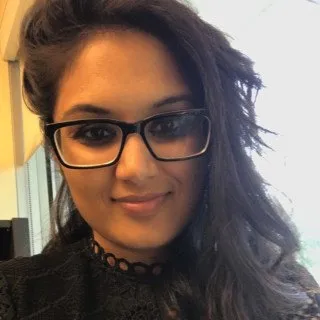
About Jonathan
Jonathan Rooker built an uncommon academic foundation before he entered the courtroom. He earned a Bachelor of Science in Criminalology from California State University, Fresno in 2001. He added a Master of Science in Educational Counseling from National University in 2006. Later he pursued forensic science at the University of Florida, completing a Master of Science in Forensic Toxicology in 2015 and a Master of Science in Forensic Science through the School of Pharmacy in 2016. He also holds a Juris Doctor from San Joaquin College of Law, awarded in 2009.
Rooker began working in public defense soon after law school and is listed as a defense lawyer at the Fresno County Public Defender's Office in 2012. That role placed him in daily contact with accused people and the local criminal courts. He handled arraignments, pretrial motions and jury matters. The public defender setting gave him repeated exposure to forensic reports and scientific evidence used in criminal prosecutions.
The combination of law and forensic science shapes how Rooker approaches cases. He has belonged to the National College of DUI Defense since 2012 and joined the California DUI Lawyers Association the same year. In 2014 he became a founding member of DUIDLA and remains active in that organization. Those memberships reflect a long-running engagement with DUI defense issues, including blood and breath testing, toxicology interpretation and evidentiary challenges in impaired-driving prosecutions.
Colleagues describe him as someone who brings technical questions into courtroom practice. He reads lab reports and test methods closely. He raises procedural and scientific arguments at hearings. Those efforts grow out of formal study in forensic toxicology and related disciplines rather than from a single-skill set. That background informs cross-examination of prosecution experts and the evaluation of laboratory work product.
Rooker’s career path shows a steady move from academic study to hands-on defense work. He spent time in a county defender’s office and has maintained professional ties through membership organizations that concentrate on impaired-driving law. He appears at local calendars and in administrative and trial settings where scientific evidence is contested.
He is licensed in California and retains memberships that keep him connected to developments in DUI law and forensic practice. His current practice concentrates on criminal defense and DUI cases, where he applies both legal training and forensic science knowledge.