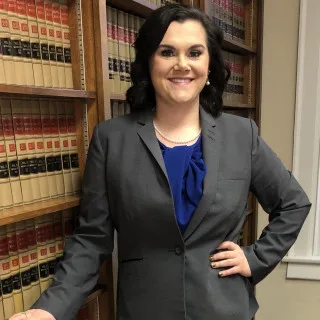
About Gerard L.
Gerard L. Truesdale built his legal foundation across several institutions and disciplines. He earned a Bachelor of Science in Political Science from Morehouse College, followed by a Juris Doctor from Elon University School of Law. He later returned to study at North Carolina Central University School of Law, where he completed a master’s degree in cybersecurity. That mix of political science, traditional legal training, and technical study shapes how he approaches legal problems today.
After finishing his formal education, Truesdale established a practice in Alabama. He is licensed to practice law there and has spent his career working with businesses and individuals on matters that touch both law and technology. His background in cybersecurity informs how he evaluates data risk, regulatory obligations, and compliance questions. Clients see that combination as practical. It helps translate technical issues into clear legal choices.
Truesdale’s work spans transactional and advisory tasks as well as dispute resolution. He has handled contract negotiations, policy drafting, and compliance planning alongside more adversarial matters when they arise. He takes a methodical approach to case preparation. He aims to clarify the stakes, outline realistic options, and pursue the path that best matches a client’s objectives and tolerances.
Education has continued to influence his career decisions. The master’s in cybersecurity is not an academic badge alone. It informs how he reads statutes, interprets regulatory guidance, and configures client protocols for data protection. That specialty is increasingly relevant for small and midsize organizations that do not have in-house cyber expertise but must navigate privacy rules, incident response obligations, and vendor risk.
In practice he manages a small firm, Gerard L. Truesdale, Lawyer at Law, PLLC. The office handles a range of matters while emphasizing clear communication and practical solutions. Truesdale often serves as the first point of contact for clients who face cross-disciplinary challenges—legal questions bound up with technology, operations, or regulatory compliance.
He publishes and speaks less frequently than some peers, preferring direct client work and case management. He keeps current on legal and technical developments that affect his clients. He currently focuses on cybersecurity and data privacy issues, technology-related legal matters, and related transactional and compliance work in Alabama.