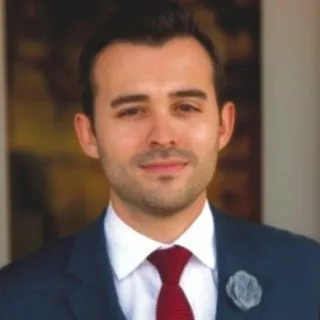
About Edward
Edward Twomey earned his Juris Doctor from the University of Pittsburgh School of Law. He completed his legal education at a school known for its emphasis on practical training and a curriculum that blends doctrinal study with clinic work. His time there provided a foundation in legal research, writing, and advocacy.
After law school, Twomey began his work in the legal field. He has moved through roles that required adapting to changing facts and client needs. Over time he developed a steadier command of courtroom procedures and transactional practice, balancing advocacy and advisory responsibilities as circumstances demanded.
Colleagues describe him as methodical in preparing for hearings and deliberate in drafting the documents that guide negotiations. He is comfortable presenting argument and also takes time to assemble the factual record that underpins a case. He approaches client conversations with an eye toward clarity, laying out options and likely outcomes rather than relying on platitudes.
Twomey has handled matters that required coordination with multiple parties and attention to regulatory detail. He is familiar with the rhythms of litigation, from initial pleadings through settlement discussions. He also moves into transactional work when clients need agreements that prevent disputes or resolve ongoing obligations. His practice reflects a mix of reactive and preventive legal work.
Outside the immediate demands of cases, Twomey keeps up with changes in law that affect his clients. He reads court opinions and regulatory updates and adapts his practice to reflect relevant shifts. That approach helps when circumstances change quickly and clients need clear, practical advice on short notice.
People who have worked with him note a steady temperament under pressure. Trials and negotiations often turn on small details and timing. He pays attention to both. That attention to detail shows in how he prepares evidence, lines up witnesses, and frames legal arguments for judges and opposing counsel.
His education at the University of Pittsburgh School of Law remains an important part of his professional identity. It shaped his early legal method and remains a touchpoint for how he organizes research and training for younger lawyers who work with him.
He currently maintains a general legal practice and continues to counsel clients across a range of civil matters.