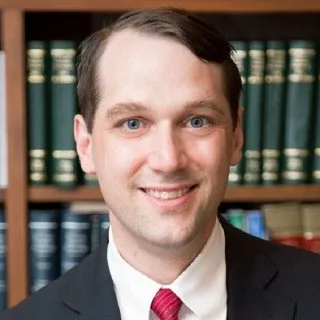
About David Ian
David Ian Schoen built a career that links courtroom work and small-firm practice. He began his legal education at the University of Massachusetts Amherst, earning a B.A. in political science in 1971. He went on to receive his J.D. from Western New England University School of Law in 1976. Those credentials set the stage for a long practice across several Northeastern jurisdictions.
By the early 1980s Schoen had entered partnership practice. Records show he was a partner at Schoen & Schoen in 1983. That entry into firm partnership preceded a move to Schoen & Strassman in 1994. Later entries list him as principal of the Law Office of David I Schoen in 2010 and as a partner at Schoen & Schleier in 2011. The timeline suggests a practitioner comfortable alternating between running a solo office and collaborating in paired or small-firm settings.
Admissions list New York, Massachusetts and Vermont, as well as the United States Court of Appeals for the Second Circuit. Those admissions reflect a practice that spans state trial courts and at least one federal appellate forum. His affiliations include memberships in the American Bar Association, the Association of Trial Lawyers of America, the Vermont Bar Association, the New York State Trial Lawyers Association, the Suffolk County Bar Association and the Vermont Association for Justice. Membership in trial lawyer groups indicates a professional engagement with litigation practice and the procedures that govern contested cases.
Schoen’s professional path is notable for steady involvement in regional bar organizations while maintaining private practice work. He has moved between firm roles and solo practice over several decades, suggesting adaptability to different client and case loads. That pattern is common among lawyers who balance court appearances, client counseling and the administrative tasks that come with managing a small office.
Over the years he has remained active in associations that serve trial lawyers and local bar communities. Those contacts sustain a practice that draws on collegial relationships as well as courtroom experience. He has combined partnership roles with a later return to his own office, where he continued to accept matters requiring litigation skills.
As of 2026 he maintains a private practice handling litigation and related matters.