About Christopher M.
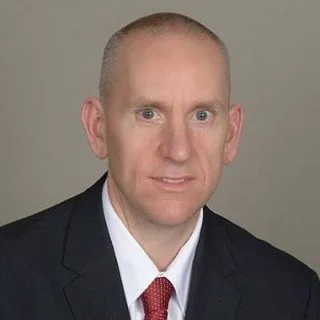
Christopher M. Guymon earned his Juris Doctor from St. Mary’s University School of Law in 2015. While in law school he completed coursework in real estate law, estate planning and transactional law. Those subjects have shaped the way he approaches client work: carefully, practically and with an eye toward clear paperwork.
Early in his career Guymon chose to practice in Utah. He is admitted to the Utah bar and authorized to appear before the Tenth Circuit. He founded Guymon Law, PLLC to provide a compact practice that handles both transactional matters and planning for individuals and businesses. The firm operates from a small office base and tends to a steady stream of matters that require detailed document drafting and close client contact.
Guymon’s practice centers on real estate and estate planning. He advises clients on transactions and on structuring estates, often handling the legal documents that finalize deals and preserve family assets. He spends much of his time preparing purchase and sale agreements, reviewing title concerns and drafting wills and trusts. He also works on transactional contracts that support business operations. He approaches each matter with a focus on clarity in language and practical risk allocation rather than flourish.
He maintains current membership in professional legal associations and participates in local legal activities. His courtroom appearances are limited, reflecting the transactional emphasis of his work, but he will appear where necessary, including matters that reach the Tenth Circuit. Clients who seek his services tend to be individuals and small to mid-size businesses that need steady, document-centered representation rather than large-scale litigation teams.
Guymon balances the technical side of law with accessibility. He aims to make legal processes understandable to people who are not lawyers, and to keep files moving. The practice at Guymon Law, PLLC focuses on real estate transactions and estate planning matters in Utah and matters filed before the Tenth Circuit.