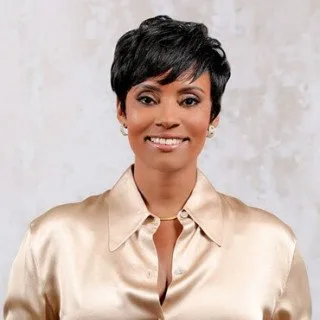
About Carolyn H.
Carolyn H. Sawyer took a circuitous path into the law. Her early years were shaped by physics — a Bachelor of Science from Southern Methodist University in 1966 and a Master of Science from Rollins College in 1975. Two decades after her graduate degree she turned to legal study and earned a Juris Doctor from Stetson College of Law in 1993.
Those academic milestones outline a career bridge between two fields that ask different questions. Physics trains the mind to isolate variables and test hypotheses. Law asks for precise language and careful reasoning. Sawyer’s résumé reflects both kinds of training. Her timeline suggests a long engagement with technical subjects before she pursued legal credentials.
The shift from science to law is not merely chronological. It informed how she approaches problems. She favors clear argumentation and attention to detail. In practice, that means parsing complex material slowly and translating it into terms that judges, clients, or opposing counsel can use. She has applied analytical methods from her earlier studies to legal tasks that require technical literacy and methodical review.
Her educational record offers a map of intellectual interests. The physics degrees mark a foundation in quantitative thought. The later law degree marks a turn toward rules, precedent, and advocacy. That combination is relatively rare and useful in matters where science and law intersect. It also shapes the way she trains others and prepares filings: careful, deliberate, and fact-focused.
People who work across disciplines often have to explain technical ideas to nontechnical audiences. Sawyer’s background positions her to do that work. She can read technical reports, identify what is legally relevant, and present those findings in plain terms. That skill set emerges from long experience with technical material and from the habits of law school — organizing facts, building narrative, and testing legal theories.
As an attorney active in 2026, she brings decades of intellectual experience to the practice. She maintains a practice that draws on both scientific training and legal education. Her current practice focuses on matters that draw on her background in science.