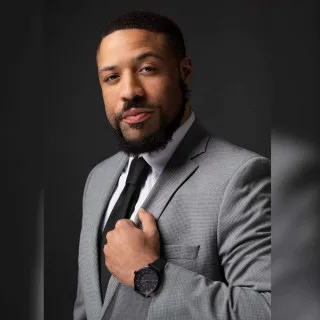
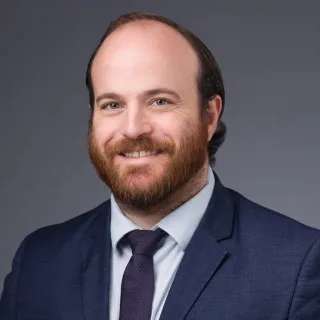
About Antony Michel
Antony Michel Santos trained as a generalist at the University of Connecticut, earning his undergraduate degree at the College of Liberal Arts and Sciences and later completing his law degree at the University of Connecticut School of Law. He came to the practice of law through a traditional route: study, bar admission, and years of courtroom and courthouse work that followed. His education set the stage for a practice spanning state and federal arenas.
Santos built a career that includes admission to practice in Connecticut and Nevada and to the D.C. Circuit. Over the years he has handled matters that required both trial work and appellate writing. He is as comfortable drafting briefs for appellate panels as he is preparing witnesses for testimony in state court. That range has defined much of his professional life.
He has taken on a variety of roles in litigation. Some of his work involved early case assessment and motion practice. Other matters required longer preparation and extended appearances. He learned to move between short, decisive filings and longer persuasive narratives. This mix of tasks gave him practical insight into how trial-level choices affect appeals, and vice versa.
Peers describe his approach as meticulous and practical. He favors thorough preparation over theatrical gestures. Courtroom appearances tend to be measured. Filings aim for clarity. He has worked with clients on procedural strategy and on the concrete steps needed to preserve issues for appeal. That orientation toward process has informed the way he handles contentious matters.
Santos has also navigated the procedural differences between jurisdictions. Practicing in multiple states and before a federal appellate court means adjusting to different local rules and varying judicial expectations. He has had to adapt pleadings, briefing schedules, and oral argument styles to match the forum. That adaptability is part of his professional routine.
Outside the courtroom he has handled the quieter parts of practice: settlement negotiations, discovery planning, and managing litigation budgets. Those tasks often determine the course of a dispute long before trial. He approaches them with the same attention to detail he brings to briefs and hearings.
He currently maintains a practice that concentrates on litigation and appellate matters across state and federal courts.