Workplace Injuries Under Personal Injury Law: Rights, Claims, and Compensation
Most workplace injuries get handled through workers' compensation systems, but that's not always the complete picture. Some workplace accidents fall under personal injury law instead of - or alongside - workers' comp claims. Understanding the difference can mean thousands of dollars in compensation and proper medical care coverage.
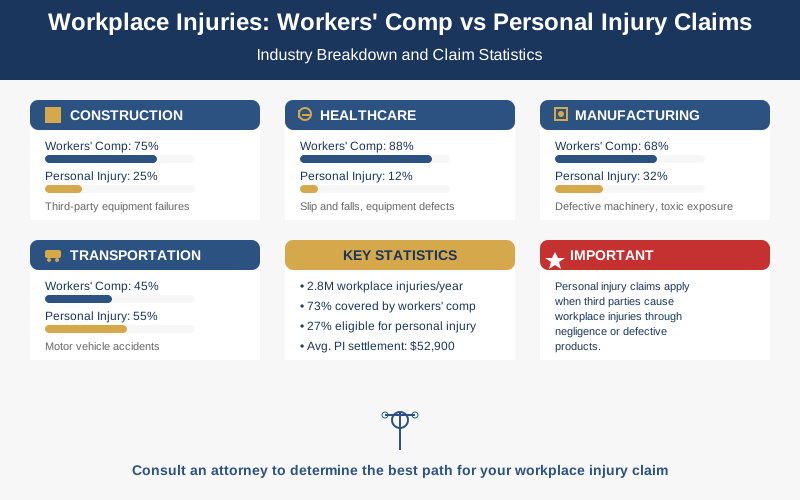
The reality is workers' compensation doesn't cover every workplace injury. Certain situations create personal injury claims that offer better compensation than standard workers' comp benefits.
When Workplace Injuries Become Personal Injury Cases
Workers' compensation provides automatic coverage for most job-related injuries. No fault determination needed. But personal injury law kicks in when specific circumstances surround the workplace accident.
Third-party liability creates the most common crossover between workplace injuries and personal injury claims. Take Maine construction sites, for example - if a subcontractor's negligence causes an injury to another company's worker, the injured person can file a personal injury lawsuit against that third party while also collecting workers' comp benefits from their employer.
Intentional acts by employers also push cases into personal injury territory. Workers' comp won't cover situations where an employer deliberately harms an employee or knowingly creates dangerous conditions that violate safety regulations. These cases become personal injury lawsuits.
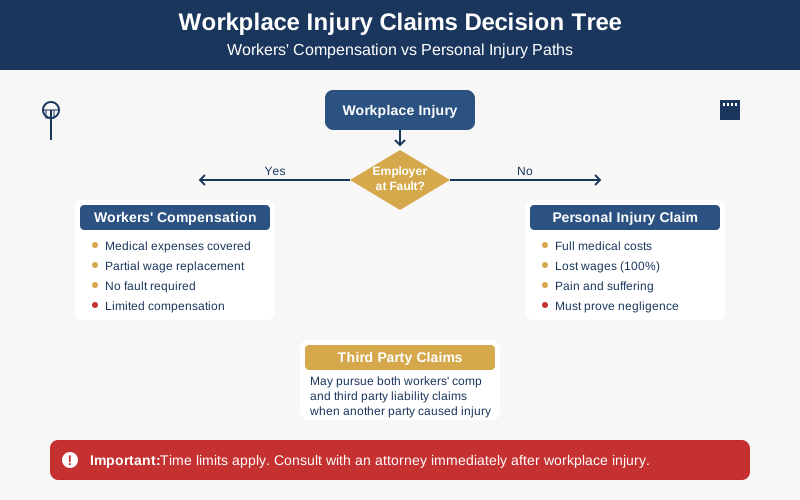
Toxic exposure cases often involve both systems. And here's the thing: companies that manufacture dangerous chemicals or equipment can face personal injury lawsuits even when the exposure happened at work.
State Laws and Compensation Differences
⚖️ Need legal help? Submit your case for a free evaluation and get matched with qualified Workers' Compensation attorneys.
Each state handles workplace injury compensation differently. The variations matter.
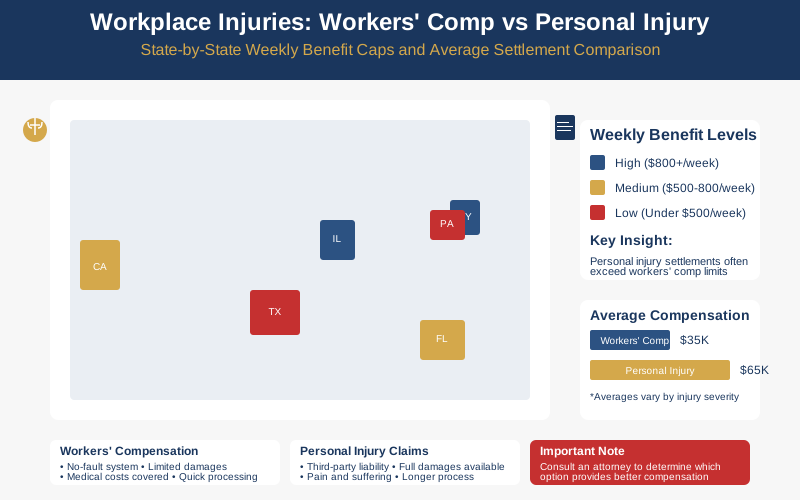
South Carolina caps workers' compensation benefits at 736 dollars per week for temporary total disability as of 2024. That's roughly 38,272 dollars annually - far below many workers' actual wages. Personal injury settlements in the same state average much higher, especially for severe injuries involving third-party negligence.
Vermont takes a different approach entirely. The state allows workers' comp benefits up to 1,089 dollars weekly for temporary total disability. Still below many salaries, but the gap isn't as dramatic as other states.
Personal injury damages don't have these artificial caps. Pain and suffering compensation alone can exceed entire workers' comp settlements. Lost future earnings get calculated based on actual salary projections, not state-mandated maximums.
Medical coverage differs too. Workers' comp typically covers all necessary medical treatment but limits doctor choice. Personal injury settlements provide lump-sum payments that allow complete medical decision freedom.
Common Misconceptions About Workplace Injury Claims
Many people assume filing a personal injury lawsuit means giving up workers' compensation benefits. Wrong assumption.
The short answer: most states allow both claims simultaneously when third parties are involved. The longer explanation involves coordination of benefits - workers' comp carriers often get reimbursed from personal injury settlements, but injured workers usually keep the larger portion.
Another misconception involves employer retaliation fears. Federal and state laws prohibit firing or punishing employees for filing legitimate injury claims. That said, at-will employment creates complications, and documentation becomes essential.
Some workers think they can't sue if they were partially at fault for their accident. Personal injury law in most states uses comparative negligence rules - even workers who were 30 or 40 percent responsible can still recover damages from other liable parties.
Evidence and Documentation Requirements
Workplace injury cases need solid evidence. Different from typical personal injury claims.
Safety violations carry significant weight in these cases. OSHA reports, safety training records, and equipment maintenance logs often determine liability. But collecting this evidence requires quick action - companies sometimes modify conditions or dispose of equipment after accidents.
Medical documentation needs specificity about work-relatedness. Generic injury reports won't suffice. Doctors must clearly connect the injury to workplace activities or exposures, with detailed explanations about causation mechanisms.
Witness statements from coworkers provide crucial support, though workplace dynamics can complicate testimony. People worry about job security when speaking against employers or contractors.
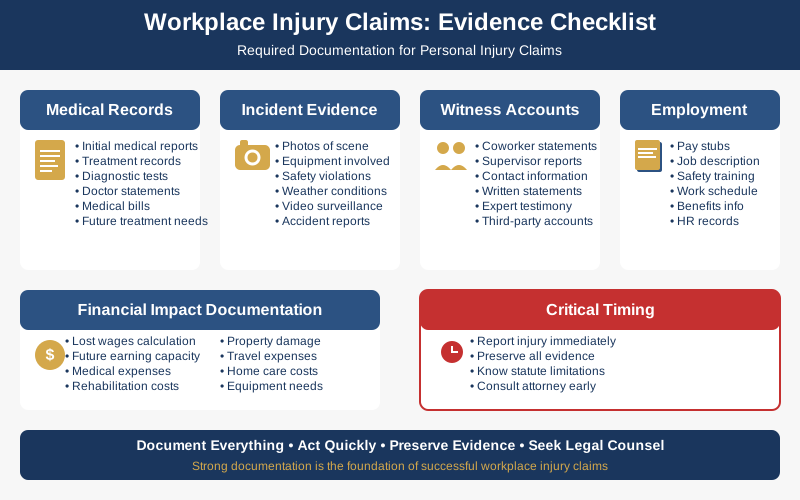
Time limits create pressure too. Personal injury statutes of limitations typically run 2-3 years from the injury date, but some toxic exposure cases have different rules. Discovery rules might extend deadlines when injuries don't manifest immediately.
Compensation Types and Settlement Ranges
Personal injury compensation for workplace accidents includes several damage categories:
- Medical expenses - both current treatment and future care needs, often exceeding 100,000 dollars for severe injuries
- Lost wages during recovery
- Reduced earning capacity if the injury causes permanent limitations
- Pain and suffering damages - can range from 15,000 to 500,000 dollars depending on injury severity
- Disability accommodations and equipment costs
Settlement amounts vary dramatically based on injury type and defendant resources. Construction accidents involving major contractors often settle for 250,000 to 2 million dollars. Manufacturing injuries with equipment defects can reach similar ranges.
Toxic exposure cases take longer to resolve but can result in larger settlements. Asbestos exposure cases still settle for 1-4 million dollars on average, even decades after initial exposure.
The calculation process differs from workers' comp formulas. Personal injury damages get based on actual losses and jury verdict potential, not predetermined state schedules.
Common Questions
Can I sue my employer directly for a workplace injury?
Generally no - workers' compensation laws prevent direct lawsuits against employers for most workplace injuries. Exceptions exist for intentional acts, situations where the employer doesn't carry required workers' comp insurance, or when the employer wears multiple hats in the situation.
How long do I have to file a personal injury claim for a workplace accident?
Most states allow 2-3 years from the injury date, but workplace cases can have different deadlines. Some toxic exposure claims use discovery rules that start the clock when the injury gets diagnosed rather than when exposure occurred.
Will filing a personal injury lawsuit affect my workers' compensation benefits?
Usually not negatively. You can typically pursue both claims simultaneously when third parties are involved. The workers' comp carrier might seek reimbursement from any personal injury settlement, but coordination rules usually protect the injured worker's interests.
Disclaimer: This article provides general information about workplace injuries under personal injury law and shouldn't be considered legal advice. Laws vary significantly between states and individual circumstances affect each case. Consult with a qualified personal injury attorney for advice about specific workplace injury situations.
⚖️ Get Free Legal Help
Need legal assistance with Workers' Compensation matters? Our platform connects you with experienced attorneys who can help. Describe your situation, and local lawyers will review your case and reach out to you directly.
Start Your Free Case Evaluation