Work Visas: Why Getting One Feels Like Playing Monopoly With Different Rules Every Game
Look, I'm gonna be straight with you about work visas.
They're complicated. But not in the way most lawyers make them sound - it's more like trying to follow a recipe that someone keeps changing while you're cooking. You think you've got all the ingredients, then boom - new requirements.
I get emails about this stuff daily. Last week, someone from Wisconsin asked me why their H-1B application got rejected when they did "everything right." The thing is, there's no guaranteed "right" way anymore. And that's what makes this whole process so frustrating for people who just want to work legally.
The Big Picture That Nobody Talks About
Here's the deal - most people think work visas are just paperwork.
They're actually more like a lottery system mixed with a job interview mixed with a background check that goes back to when you were twelve. No joke. The government wants to know everything, and I mean everything, about why you deserve to work here instead of an American citizen.
Spoiler alert: it's not really about deserving anything.
It's about fitting into very specific categories that change based on politics, economics, and honestly sometimes what feels like whoever's having a bad day at USCIS. Trust me, I've seen applications get approved that shouldn't have and rejected ones that were perfect on paper.
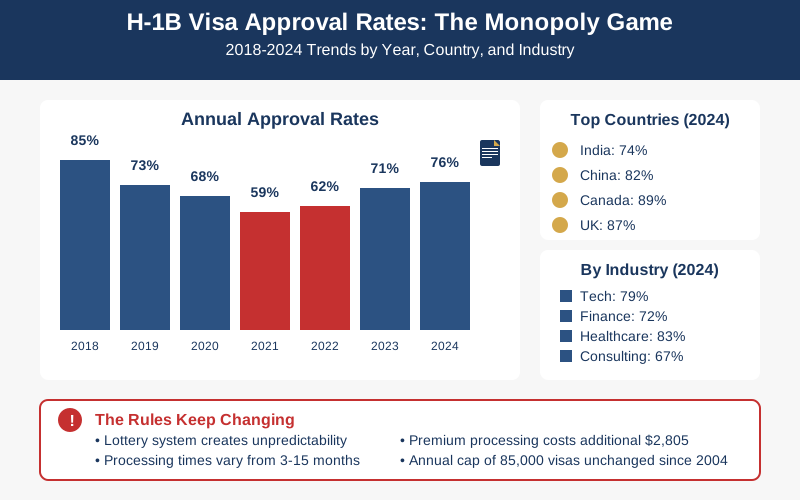
Most people don't know this, but there are actually dozens of different types. Everyone talks about H-1B visas because they're the most common, but there's also L-1s for company transfers, O-1s for people with "extraordinary ability" (which sounds way more dramatic than it is), and a bunch of others that might actually be easier to get depending on your situation.
What Actually Happens When You Apply
⚖️ Need legal help? Submit your case for a free evaluation and get matched with qualified Immigration Law attorneys.
You're probably thinking this is where I give you a step-by-step guide, right?
Nope. Because every case is different, and cookie-cutter advice is how people mess up their applications. But I can tell you what the process feels like and what to expect.
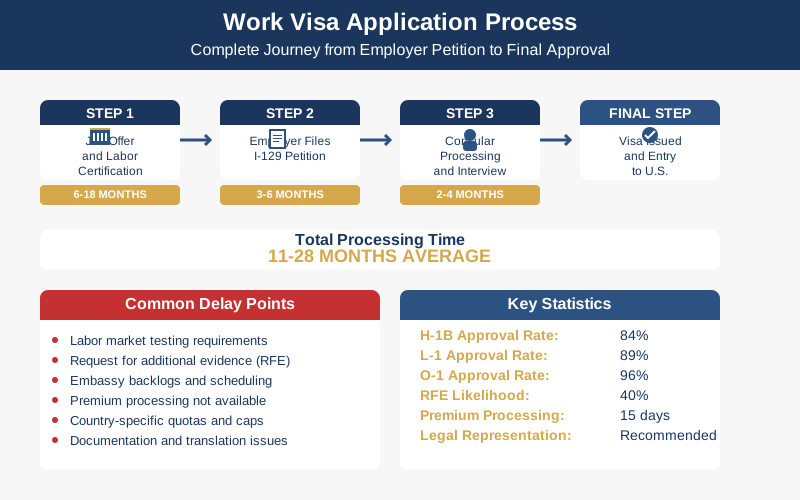
First, your employer has to want you enough to deal with government paperwork. And legal fees. And waiting periods. Some companies have whole departments for this stuff, others will look at you like you asked them to solve world hunger when you mention you need visa sponsorship.
Then comes the paperwork marathon.
You'll fill out forms that ask about everything from your college GPA to whether you've ever been a member of the Communist Party (seriously, that's still on there). Your employer fills out their own set of forms explaining why they can't find an American to do your job - which is basically them having to argue that you're special enough to justify the hassle.
After that? You wait. And wait some more. Processing times these days are all over the place - I had a reader from New Jersey get approved in three months, while someone else waited over a year for the same type of visa.
The Money Talk Nobody Wants to Have
Let's be real about costs.
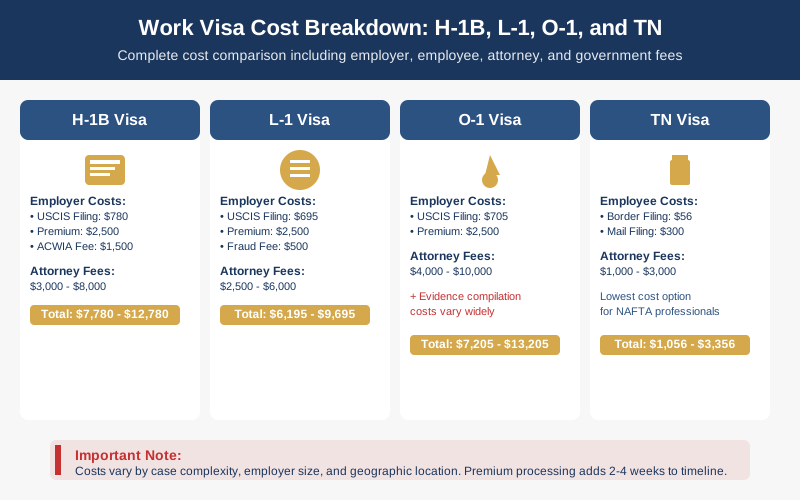
This isn't just expensive - it's "holy crap I didn't know government fees could be this high" expensive. Between USCIS fees, attorney fees, and all the random charges that pop up, you're looking at thousands of dollars. Sometimes many thousands.
And here's the kicker - most of the time your employer pays these fees. But not always. Some companies will make you cover part of it, which is technically not allowed in some cases but happens anyway. Fun fact: this is one of those gray areas where what's legal and what actually happens don't always match up.
- USCIS filing fees (these change constantly, but expect $500-$2,000+ depending on the type)
- Attorney fees if you hire one - and honestly, you probably should
- Premium processing if you're in a hurry (spoiler: you'll probably be in a hurry)
- Random administrative costs that add up faster than you think
A reader from California told me she spent $8,000 total on her L-1 visa process. That was with her company covering most of it.
Common Mistakes That'll Tank Your Application
I see the same screw-ups over and over again.
The biggest one? People lie or leave stuff out because they think it makes their application look better. Wrong move. USCIS has more time than you do, and they will find inconsistencies. They're like those teachers who actually read every word of your essay - except the consequences are way worse than a bad grade.
Another mistake I see constantly is people applying for the wrong type of visa because they Googled it and went with the first result. Just because your friend got an H-1B doesn't mean that's what you need. Your situation might be better suited for an O-1 or L-1 or something else entirely.
And honestly? Trying to do this without a lawyer to save money usually backfires. I get it - legal fees are expensive. But so is having your application rejected and starting over. Plus you lose all those government fees when you get denied.
What's Actually Changing These Days
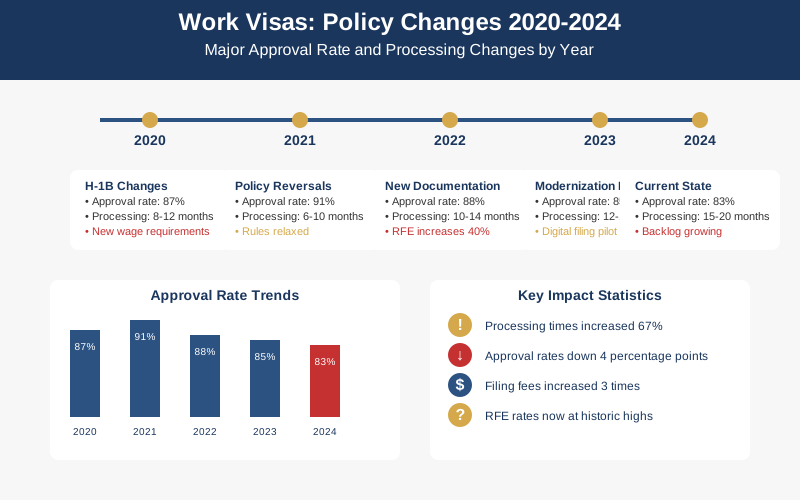
Immigration law changes more often than most people realize.
What worked two years ago might not work now. What doesn't work now might be totally fine next year. It's like trying to hit a moving target while riding a roller coaster.
Lately, I've been seeing more scrutiny on H-1B applications, especially in tech. But I've also seen some streamlining in other categories. The government giveth and taketh away, usually at the same time in different areas.
Plot twist: sometimes these changes actually make things easier. The O-1 category has gotten more flexible recently, which is great news if you qualify. And some of the evidence requirements have been clarified in ways that help applicants put together stronger cases.
The key is staying current with what's actually happening versus what people think is happening. Social media and forum advice is usually outdated or just plain wrong. Trust me on this one - I spend way too much time correcting bad information that people found online.
Real Talk: Is It Worth It?
That depends on what you're trying to accomplish.
If you want to work in the US temporarily and you've got a company willing to sponsor you, then yeah, probably worth it. The process sucks, but the alternative is not being able to work legally, which sucks more.
But if you're thinking this is your path to permanent residency, that's a whole different conversation (and honestly, a whole different blog post). Some visas can lead to green cards, others can't, and some are in this weird middle ground where it's possible but complicated.
Bottom line? Don't let the complexity scare you off, but don't go into it thinking it'll be simple either. It's doable, especially with good legal help and realistic expectations.
FAQ
How long does it actually take to get approved?
Honestly? Anywhere from 3 months to over a year, depending on the type and whether you pay for premium processing. USCIS processing times are more like suggestions than promises.
Can I apply for multiple types at once?
Technically yes, but it's usually not a great strategy. Pick the one that fits your situation best and focus on making that application as strong as possible.
What happens if I get denied?
You can appeal some decisions, reapply with a stronger case, or look into other options. Getting denied sucks but it's not necessarily the end of the world - depends on why you got rejected.
This is general information, not legal advice for your specific situation. Immigration law is complicated and changes frequently, so talk to a qualified attorney about your particular case.
⚖️ Get Free Legal Help
Need legal assistance with Immigration Law matters? Our platform connects you with experienced attorneys who can help. Describe your situation, and local lawyers will review your case and reach out to you directly.
Start Your Free Case Evaluation