When Your Doctor Screws Up: The Real Deal About Medical Malpractice
Look, I've been writing about this stuff for over a decade now. And honestly? Medical malpractice is probably the most misunderstood area of personal injury law out there.
People think every bad outcome is automatically malpractice.
Spoiler alert: it's not. Not even close. The thing is, medicine isn't perfect, and doctors aren't miracle workers (despite what some of them might tell you at dinner parties). So what actually counts as medical malpractice? Here's where it gets interesting - and way more complicated than you probably think.
What Actually Makes a Case Real Malpractice?
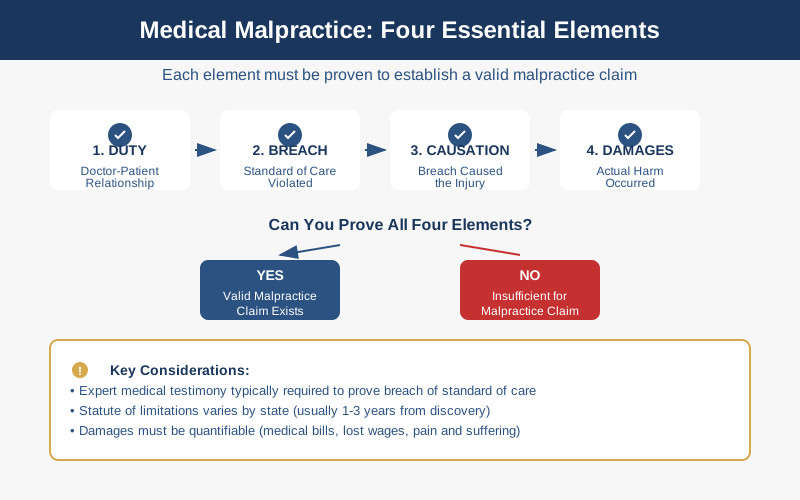
Here's the deal - you need four specific things to happen. Miss even one of these, and you don't have a case. Trust me, I've seen people get really frustrated when they find this out.
First, there has to be a doctor-patient relationship. Sounds obvious, but you'd be surprised. If some random doctor at a party gives you advice and it's wrong, that's not malpractice. They have to actually be YOUR doctor.
Second - and this is the big one - they had to mess up the standard of care. Basically, would another competent doctor in the same situation have done something different? Not a perfect doctor. Not the best doctor in the world. Just a reasonably competent one.
Third, you actually have to be hurt because of what they did (or didn't do). And fourth, those injuries have to cause real damages - medical bills, lost work, pain and suffering, that kind of thing.
Plot twist: even if your doctor made a mistake, if you weren't actually harmed by it, you don't have a case.
The Most Common Mistake I See People Make
⚖️ Need legal help? Submit your case for a free evaluation and get matched with qualified Medical Malpractice attorneys.
Honestly? People confuse bad outcomes with bad medicine all the time.
I had this reader from Tennessee email me last year - let's call her Sarah. Her dad went in for routine surgery and ended up with complications. The surgery was done perfectly, the doctor followed all the right steps, but her dad still had a rough recovery.
She was convinced it was malpractice because the outcome wasn't what they expected. But here's what most people don't know - sometimes bad things happen even when everyone does everything right. Medicine has risks. Always has, always will.
The question isn't whether something bad happened. It's whether it happened because the doctor didn't meet the standard of care.
So What Actually Happens in Court?
If you think you've got a real case, buckle up. These lawsuits are expensive, time-consuming, and frankly pretty brutal.
You're going to need medical experts - other doctors who can look at your case and say "yep, this doctor screwed up." And those experts don't come cheap. We're talking thousands of dollars just to get them to review your records.
Then there's the timeline issue. Most states give you between two and three years to file a lawsuit from when you discovered the malpractice. But - and this is important - some states have different rules. I've got readers in Massachusetts who've asked about this, and their discovery rule works a bit differently than other places.
The whole process usually takes years. Literally years. And the defense (that's the doctor's insurance company, basically) is going to fight you every step of the way.
You're probably thinking this sounds pretty discouraging. And yeah, it kind of is.
What Doctors Actually Get Sued For
Alright, let's get specific. What kinds of screw-ups actually turn into successful lawsuits? Here's what I see most often:
- Misdiagnosis or delayed diagnosis (especially cancer - that's a big one)
- Surgical errors - wrong site surgery, leaving instruments inside patients, that kind of nightmare stuff
- Medication errors
- Birth injuries (these cases can be absolutely devastating)
- Failure to get informed consent for risky procedures
- Emergency room mistakes
But even with these, you still need to prove all four elements I mentioned earlier. A misdiagnosis isn't automatically malpractice if it was a reasonable mistake that other doctors might have made too.
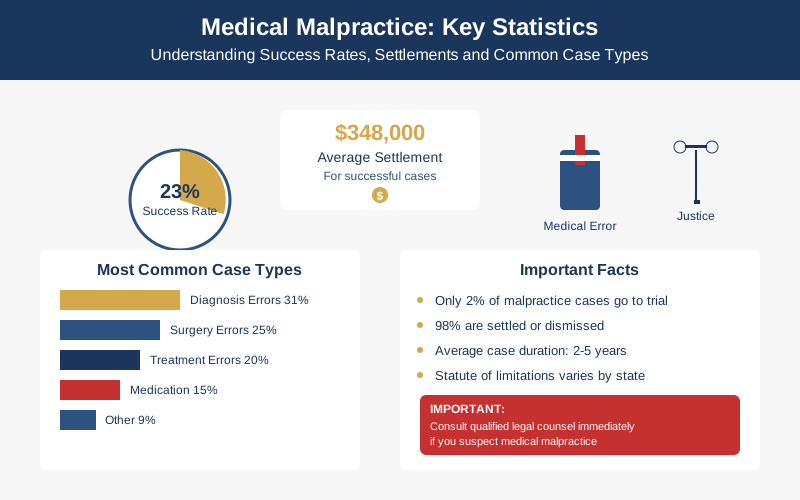
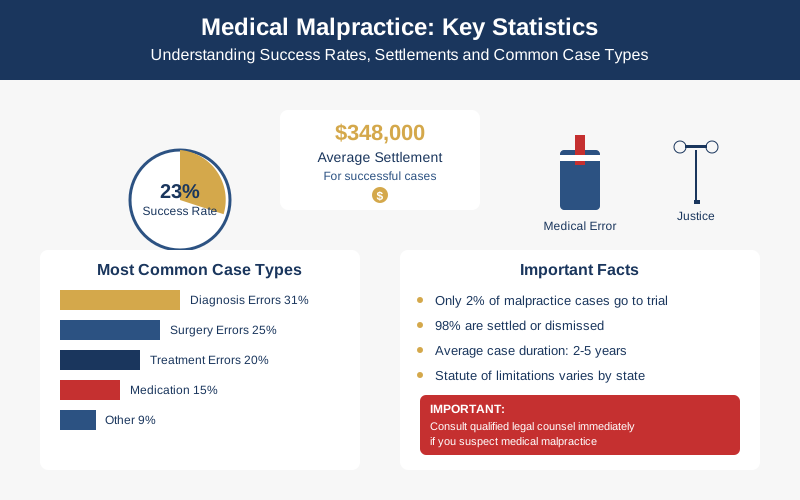
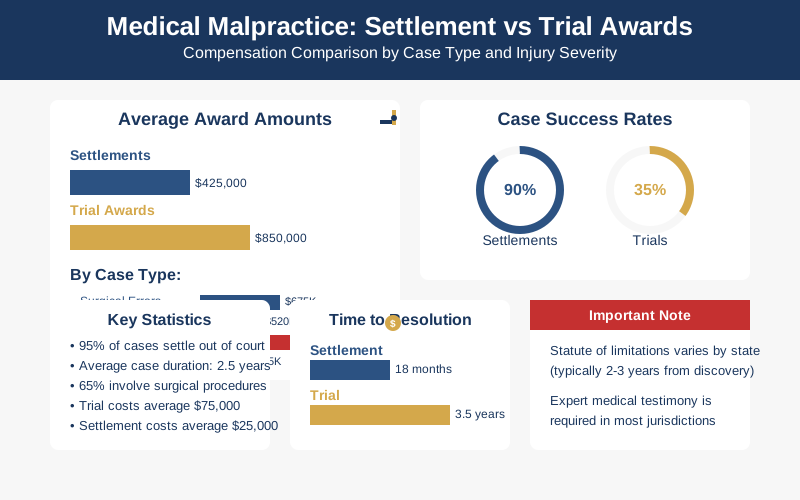
Fun fact: most malpractice cases never actually go to trial. They settle out of court. And when cases do go to trial, doctors win more often than you'd think - something like 80% of the time.
Should You Even Bother Getting a Lawyer?
Look, I'm not going to sugarcoat this. Most lawyers won't touch a medical malpractice case unless it's pretty serious. We're talking permanent disability, death, or really significant ongoing medical problems.
The reason? These cases are just too expensive to pursue if the damages aren't substantial. I know that sounds harsh, but it's reality.
Here's my advice: if you think you might have a case, at least talk to a lawyer who handles these kinds of cases. Most will give you a free consultation. They'll tell you pretty quickly if you've got something worth pursuing.
And please, don't wait around. Remember those time limits I mentioned? They're real, and they're strictly enforced. Miss the deadline, and it doesn't matter how obvious the malpractice was.
I get it - dealing with this stuff when you're already hurt or sick is the last thing you want to do. But if you wait too long, you'll lose your chance entirely.
FAQ
Can I sue if my doctor was just rude or didn't explain things well?
Nope, sorry. Being a jerk isn't malpractice. You need actual medical harm from substandard care.
What if I signed a consent form - does that mean I can't sue?
Consent forms don't protect doctors from negligence. They just show you understood the known risks of a procedure.
How much do these lawyers cost?
Most work on contingency - they only get paid if you win. But you might still be on the hook for expenses like expert witness fees if you lose.
This isn't legal advice, obviously. Every case is different, and you should talk to a lawyer in your state about your specific situation. Don't rely on some blog post (even this one) to make important legal decisions.
⚖️ Get Free Legal Help
Need legal assistance with Medical Malpractice matters? Our platform connects you with experienced attorneys who can help. Describe your situation, and local lawyers will review your case and reach out to you directly.
Start Your Free Case Evaluation