How to Sue a Contractor for Defective Work in Florida: A Complete Legal Guide
Bad contractors cost Florida homeowners about 847 million dollars annually, yet most people don't know their legal rights when construction goes wrong. Florida's contractor licensing laws and construction defect statutes give homeowners powerful tools to recover damages, but there's a catch - you've got specific timeframes and procedures to follow.
Understanding Construction Defect Law in Florida
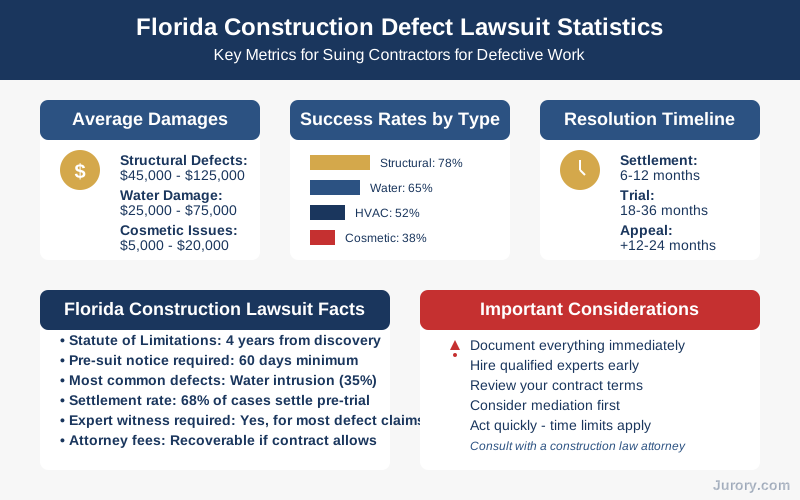
Construction defect law in Florida covers way more than most people realize. It's not just about shoddy workmanship - the law also handles design flaws, material defects, and failures to follow building codes or permit requirements.
Florida Statute 558 governs most construction defect claims, and here's what makes it different from other states: contractors get a chance to fix problems before you can sue them in court. This pre-litigation notice requirement means you can't just file a lawsuit immediately when you discover defective work. But there are exceptions.
The statute applies to residential construction, including single-family homes, condos, and townhouses built after October 1, 2002. Commercial properties follow different rules entirely. And if your contractor caused immediate safety hazards or used unlicensed workers, you might be able to skip the pre-suit requirements altogether.
Defective work includes structural problems, water intrusion, electrical issues that don't meet code, plumbing failures, and HVAC systems that don't function properly. The key? You need documentation.
The Legal Process for Suing Contractors in Florida
⚖️ Need legal help? Submit your case for a free evaluation and get matched with qualified Real Estate Law attorneys.
Here's the thing: Florida makes you jump through specific hoops before filing your lawsuit, and missing any step can kill your case.
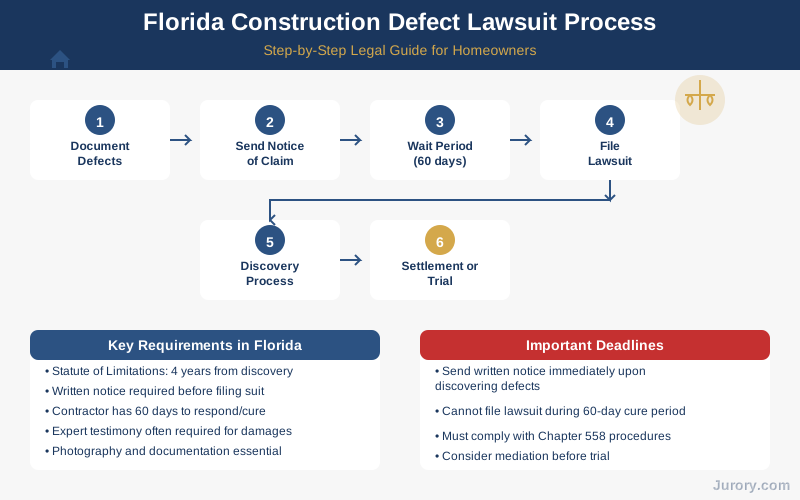
First, you'll send a written notice to the contractor describing the defects - this needs to happen within the statute of limitations period, which varies by defect type. Structural defects get 15 years from substantial completion, while other construction defects get 10 years. But here's where it gets tricky: you've got only 4 years from when you discover the problem to actually file suit.
The contractor then has 30 days to inspect your property. Sounds reasonable, right? Not exactly. They can bring engineers, architects, and other experts, and you can't interfere with their investigation. After the inspection, they get another 60 days to make a settlement offer or propose repairs.
If they don't respond or you reject their offer, you can finally file your lawsuit. The court process typically takes 8 to 18 months, depending on case complexity and whether you're seeking just money damages or forcing them to fix the work.
Discovery phase comes next. This is where both sides exchange documents, take depositions, and hire expert witnesses. Construction defect cases almost always require expert testimony from engineers or architects - expect to pay 3,000 to 8,000 dollars per expert.
Costs and Legal Fees
Suing a contractor isn't cheap. Court filing fees in Florida run about 400 to 500 dollars for circuit court cases. But that's just the beginning.
Most construction defect attorneys work on contingency fees ranging from 33 percent to 40 percent of any recovery. If you win 75,000 dollars, your attorney keeps 25,000 to 30,000 dollars. Still, many homeowners find this arrangement better than paying hourly rates of 350 to 500 dollars.
Expert witness costs add up fast. Structural engineers charge around 250 to 400 dollars per hour, and you'll need them to inspect the defects, write reports, and testify at trial. Total expert costs often hit 15,000 to 25,000 dollars in complex cases.
The good news? Florida allows winning parties to recover attorney fees in construction defect cases under certain circumstances. If your contract includes an attorney fee clause, the winning side can collect fees from the loser.
State-Specific Construction Laws
Florida's approach differs significantly from other states, and understanding these differences matters if you're dealing with out-of-state contractors or considering where to file your lawsuit.
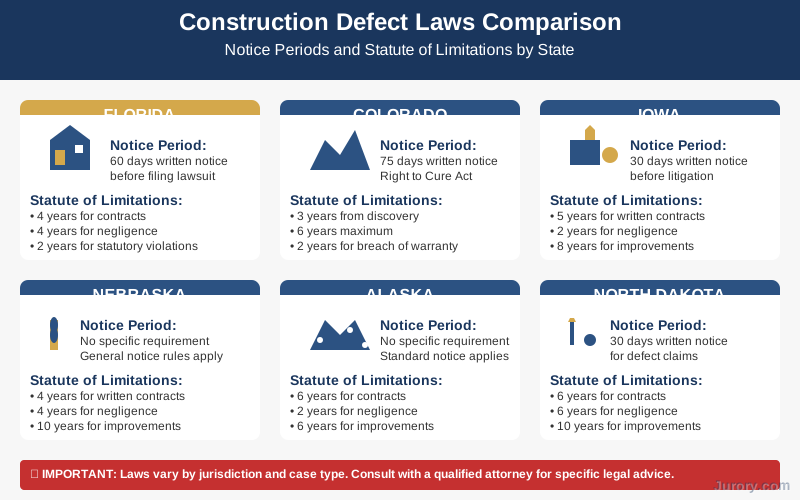
Colorado requires only 75 days total notice time before filing suit, compared to Florida's 90-day minimum process. Iowa doesn't have pre-litigation notice requirements at all for most construction defects - you can file immediately after discovering problems. Nebraska follows a middle path with 30-day notice periods, while Alaska gives contractors 120 days to respond to defect claims.
North Dakota takes the most contractor-friendly approach, requiring mediation before any construction defect lawsuit and giving contractors up to 180 days to cure defects. Florida's system sits somewhere in the middle, balancing homeowner rights with contractor protection.
The statute of limitations also varies dramatically. Florida's 4-year discovery rule is actually pretty generous - Colorado only gives you 2 years from discovery, while Iowa extends it to 5 years for some defect types.
Common Mistakes That Destroy Cases
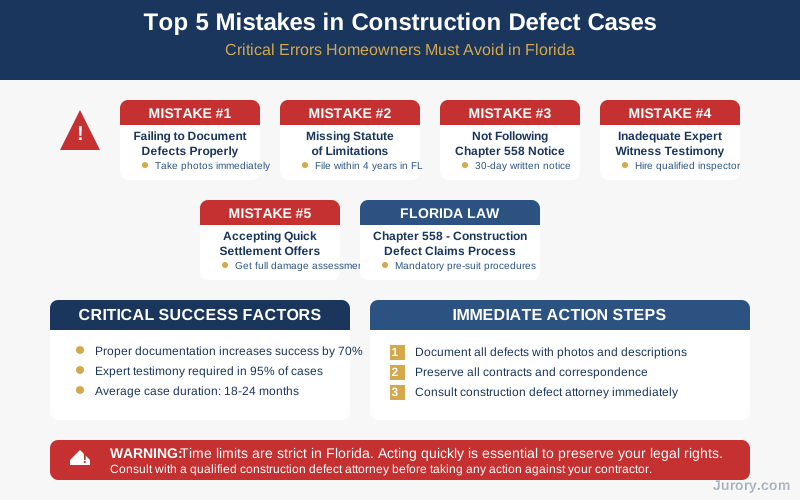
Missing the pre-suit notice deadline kills more construction defect cases than any other mistake
• Failing to preserve evidence - don't let anyone "fix" defective work before documenting it thoroughly with photos and expert inspection
• Hiring unlicensed contractors then trying to sue them (Florida doesn't let you recover from unlicensed contractors in most situations)
• Not reading your contract's dispute resolution clauses - many require arbitration instead of court lawsuits
• Waiting too long to discover "obvious" defects - courts won't extend the statute of limitations if you should've noticed problems earlier
Most people think they can sue any contractor who does bad work. Actually, Florida's licensing laws create a paradox - if you hired an unlicensed contractor, you might not be able to recover damages even if their work was terrible.
Here's another misconception: that all construction problems are "defects" under Florida law. Normal wear and tear doesn't count, nor do problems caused by your own modifications or failure to maintain the property. The defect has to stem from the original construction work.
And don't assume your homeowner's insurance will cover construction defects. Most policies specifically exclude damage from faulty workmanship, though they might cover resulting damage like water intrusion from defective roofing.
Frequently Asked Questions
Can I sue a contractor who's already been paid in full?
Absolutely. Payment doesn't waive your right to sue for defective work in Florida. But you'll need to prove the defects existed when the contractor finished the job, not damage that occurred afterward from normal use or other causes.
What if my contractor goes out of business before I can sue them?
You might still recover money from their surety bond or liability insurance. Florida requires licensed contractors to carry bonds, typically ranging from 12,500 to 100,000 dollars depending on their license type. Act quickly though - bond claims have strict time limits.
How long do I have to sue for construction defects in Florida?
You've got 4 years from when you discovered or should've discovered the defect, but no more than 10 years from project completion for most defects. Structural defects get 15 years total, but the 4-year discovery rule still applies.
⚖️ Get Free Legal Help
Need legal assistance with Real Estate Law matters? Our platform connects you with experienced attorneys who can help. Describe your situation, and local lawyers will review your case and reach out to you directly.
Start Your Free Case Evaluation