How to Choose a Lawyer: A Complete Guide to Finding the Right Legal Representation
Selecting the right attorney can make the difference between winning and losing your case. The wrong choice often costs thousands of dollars and months of wasted time, while the right lawyer provides expertise that protects your interests and achieves favorable outcomes.
What is Legal Representation and Why Attorney Selection Matters
Legal representation means hiring a licensed attorney to advocate for your interests in legal matters. Simple concept. But the execution proves far more complex than most people realize.
Attorneys specialize in different practice areas - personal injury, criminal defense, family law, business litigation, estate planning, and dozens of other fields. A divorce lawyer won't handle your DUI case effectively. That's obvious. What's less obvious is that even within specialties, lawyers develop subspecialties and varying levels of expertise.
Take personal injury law as an example. Some attorneys focus exclusively on car accidents, while others handle medical malpractice, workplace injuries, or product liability cases. The lawyer who excels at slip-and-fall cases might struggle with complex pharmaceutical litigation involving multiple defendants and scientific evidence.
Bar admission doesn't guarantee competence. Every state requires lawyers to pass the bar exam and meet continuing education requirements, but that's where standardization ends. Some attorneys graduate from top-tier law schools and clerk for federal judges. Others attend local law schools and start practice immediately. Both hold valid licenses, but their preparation and experience levels differ dramatically.
Client-attorney fit matters tremendously. Personality conflicts destroy otherwise strong legal strategies. Some lawyers communicate frequently and explain every detail. Others work independently and provide minimal updates. Some negotiate aggressively. Others prefer collaborative approaches. The best attorney on paper becomes useless if communication styles don't align.
How the Attorney Selection Process Works
⚖️ Need legal help? Submit your case for a free evaluation and get matched with qualified Personal Injury attorneys.
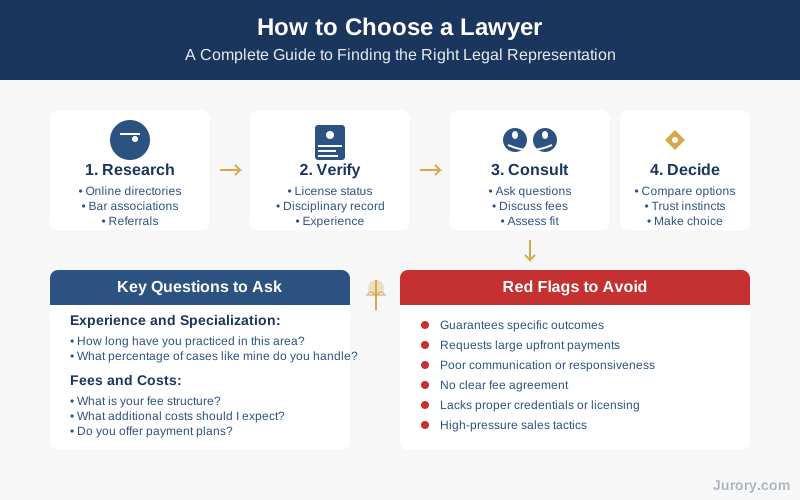
Finding the right lawyer requires systematic evaluation across multiple criteria. Most people start with referrals from friends, family, or other professionals. That's fine for initial leads. But referrals alone don't guarantee quality matches.
Research comes first. State bar websites provide attorney licensing information, disciplinary records, and practice areas. The American Bar Association maintains lawyer referral services in most metropolitan areas. Online legal directories like Martindale-Hubbell and Avvo offer attorney profiles, client reviews, and peer ratings.
Credentials matter significantly. Check law school rankings, bar admissions, years of practice, and case results. Look for board certifications in relevant practice areas - these require additional testing and peer review beyond basic bar admission. Professional memberships in specialized bar associations indicate ongoing education and networking within practice areas.
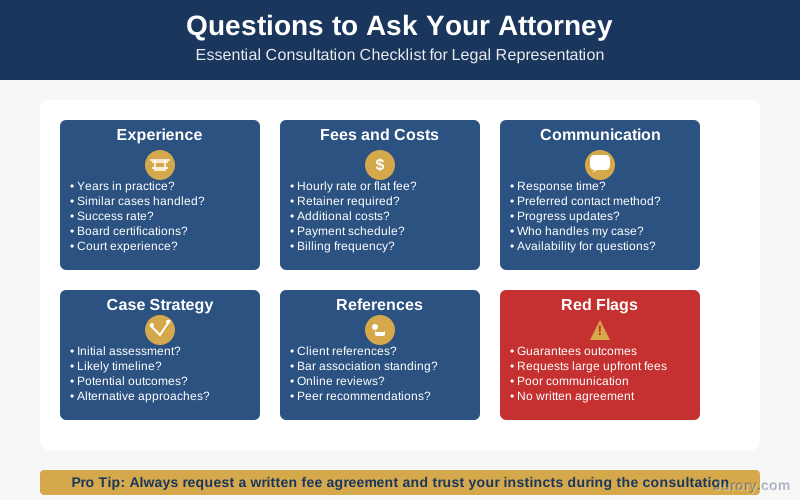
Initial consultations reveal crucial information about attorney competence and compatibility. Most lawyers offer free or low-cost consultations for potential clients. Prepare specific questions about case strategy, timeline expectations, communication frequency, and fee structures. Pay attention to how thoroughly the attorney listens and explains legal concepts.
Case experience trumps general practice claims. Ask about similar cases the attorney has handled recently. Request examples of settlements or verdicts in comparable situations. An attorney who handled two divorce cases last year can't match someone who completes fifty annually.
Communication style becomes apparent during initial meetings. Does the attorney return calls promptly? Do explanations make sense to non-lawyers? Some clients prefer formal, detailed updates. Others want brief summaries and quick responses. Neither approach is wrong, but mismatched expectations create frustration.
Costs and Fees for Legal Representation
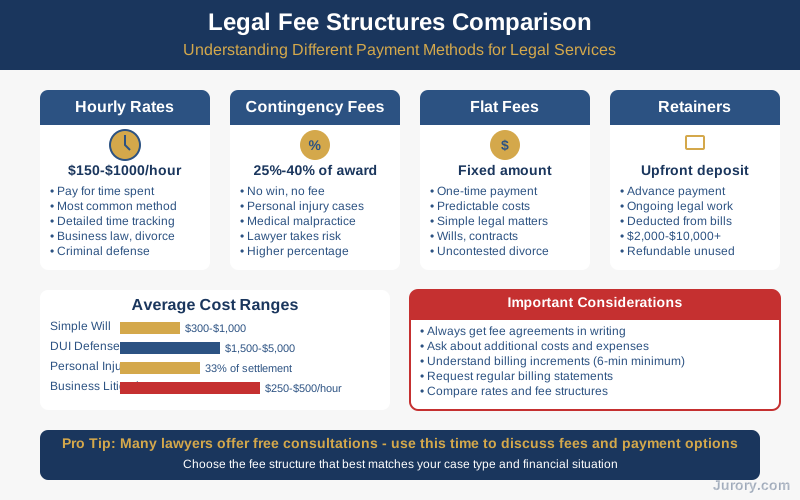
Attorney fees vary dramatically based on practice area, geographic location, and lawyer experience. Hourly rates typically range from 150 dollars per hour for newer attorneys in small markets to over 1,000 dollars per hour for senior partners at major firms in cities like New York or Los Angeles.
Contingency fees apply mainly to personal injury, medical malpractice, and some employment cases. Standard rates run between 33 and 40 percent of any settlement or judgment. The attorney receives no payment if the case loses. But clients often pay court costs, expert witness fees, and other expenses regardless of outcome.
Flat fees work well for routine matters with predictable scope. Simple wills cost between 300 and 1,500 dollars depending on complexity and location. Uncontested divorces run 500 to 3,000 dollars. DUI defense typically costs 2,500 to 10,000 dollars for first-time offenses.
Retainers represent upfront payments that attorneys draw against as they work on cases. Criminal defense retainers commonly range from 5,000 to 25,000 dollars depending on charge severity. Business litigation retainers often start at 10,000 to 50,000 dollars. The attorney bills time against the retainer and requests additional funds when balances run low.
Hidden costs surprise many clients. Court filing fees, process server charges, expert witness fees, and transcript costs add up quickly. Complex litigation can generate tens of thousands in expenses beyond attorney fees. Always request detailed explanations of potential additional costs during initial consultations.
State-Specific Information and Regulations
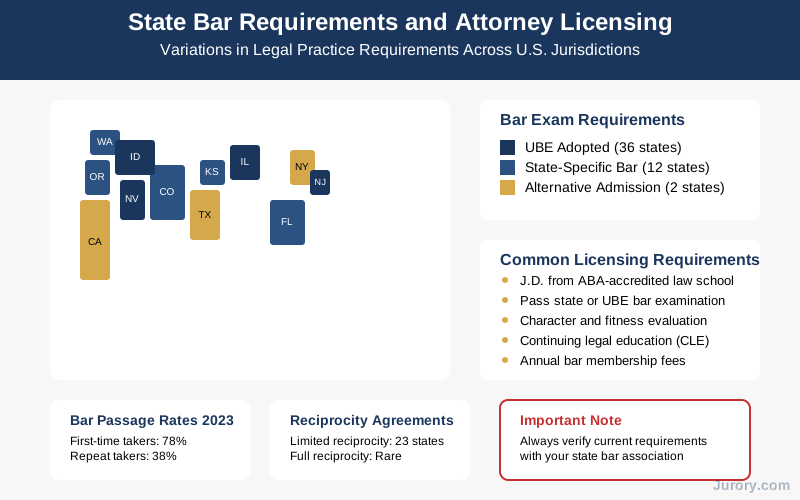
Each state maintains unique attorney licensing and disciplinary systems that affect lawyer selection decisions. Ohio requires attorneys to complete 24 hours of continuing legal education every two years, including at least two hours of professional responsibility training. The Ohio State Bar Association provides free attorney referral services and maintains detailed disciplinary records online.
Arizona allows non-lawyers to provide limited legal services in certain areas, creating more options for routine matters. But complex cases still require full attorney representation. Arizona attorneys must complete 15 hours of continuing education annually, with specific requirements for ethics training.
Maryland's attorney grievance system processes complaints through local grievance committees before potential discipline by the state Court of Appeals. Maryland lawyers need 16 hours of continuing education every two years. The state maintains particularly detailed records of attorney sanctions and disciplinary actions.
Kentucky requires 12.5 hours of continuing education annually for practicing attorneys. The Kentucky Bar Association offers extensive lawyer referral programs organized by practice area and geographic region. Kentucky also maintains reciprocity agreements with several neighboring states for attorney admissions.
Mississippi attorneys must complete 12 hours of continuing legal education each year, including at least one hour of ethics or professionalism training. The Mississippi Bar provides free legal clinics in underserved areas and maintains referral services for clients seeking representation.
Common Mistakes to Avoid When Choosing a Lawyer
- Hiring based solely on advertising or online presence - Flashy websites and television commercials don't indicate legal competence. Some excellent attorneys maintain minimal marketing presence while focusing on client service and case results.
- Selecting attorneys outside their practice areas - General practitioners can't match specialists in complex matters. A real estate lawyer shouldn't handle your personal injury claim, even if they offer to help as a favor.
- Ignoring fee structures and cost estimates - Vague fee agreements lead to billing disputes and unexpected expenses. Demand written fee agreements that specify hourly rates, retainer amounts, expense policies, and billing frequency.
- Choosing lawyers who promise specific outcomes - Ethical attorneys can't guarantee case results. Be wary of lawyers who promise quick settlements or assured victories without reviewing case details thoroughly.
- Failing to verify credentials and references - Always check bar standings, disciplinary records, and client references before hiring. A few phone calls can prevent costly mistakes and professional disappointments.
Frequently Asked Questions
How much should I expect to pay for a lawyer consultation?
Most attorneys offer free initial consultations lasting 30 to 60 minutes for personal injury, criminal defense, and family law matters. Business and estate planning lawyers typically charge 200 to 500 dollars for initial meetings. Some attorneys apply consultation fees toward total representation costs if you hire them.
Can I change lawyers if I'm not satisfied with their service?
Yes, clients can terminate attorney relationships at any time, though timing and case status affect the transition process. You'll likely owe payment for work already completed and may need court approval to substitute counsel in pending litigation. The new attorney will need time to review files and get up to speed on case details.
What's the difference between a public defender and a private criminal defense attorney?
Public defenders are government employees who represent defendants who can't afford private counsel in criminal cases. Private attorneys work independently and charge fees for their services. Public defenders often handle heavy caseloads but have extensive criminal law experience, while private attorneys typically provide more individualized attention and resources for case preparation.
⚖️ Get Free Legal Help
Need legal assistance with Personal Injury matters? Our platform connects you with experienced attorneys who can help. Describe your situation, and local lawyers will review your case and reach out to you directly.
Start Your Free Case Evaluation