How Lawsuits Work: A Complete Guide to Civil Court Procedures and Legal Process
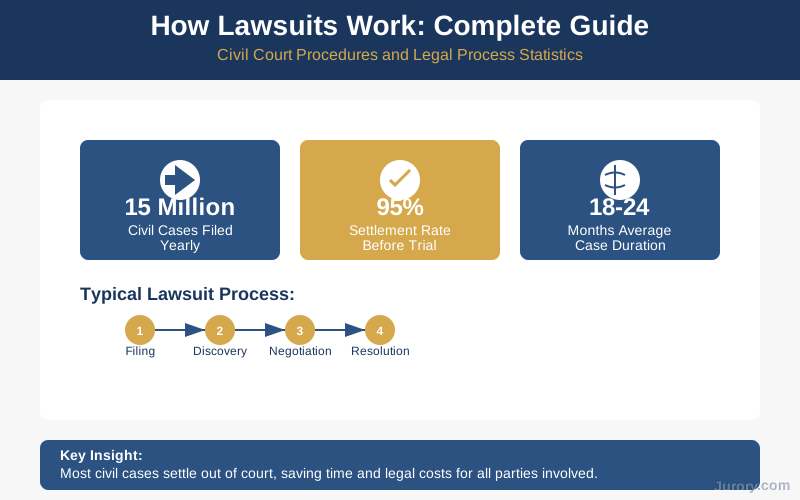
About 15 million civil lawsuits get filed in American courts every year, yet most people don't understand how the process actually works until they're stuck in the middle of one. That's a problem. And it's expensive.
What Lawsuits Are and How They Start
Lawsuits aren't just rich people fighting over millions. They're legal disputes between parties who can't resolve their problems through negotiation, mediation, or any other peaceful means, and about 67 percent of all civil cases involve everyday issues like car accidents, contract disputes, property damage, or unpaid debts. The person filing the lawsuit is called the plaintiff. The person being sued? That's the defendant.
Most people think you can sue anyone for anything. Not quite.
You need what lawyers call "standing" - meaning you suffered actual harm that the law recognizes and that the defendant caused. Can't sue your neighbor because their dog barks too much unless you can prove specific damages like lost sleep affecting your work performance or decreased property values. But if that same dog bites you and you rack up 3,000 dollars in medical bills, now you've got a case worth pursuing.
The whole thing starts with a complaint. This isn't just an angry letter - it's a formal legal document that spells out what happened, why the defendant is responsible, what laws they broke, and exactly what the plaintiff wants as compensation or other relief.
The Step-by-Step Legal Process
⚖️ Need legal help? Submit your case for a free evaluation and get matched with qualified Personal Injury attorneys.
Here's where things get interesting. And complicated.
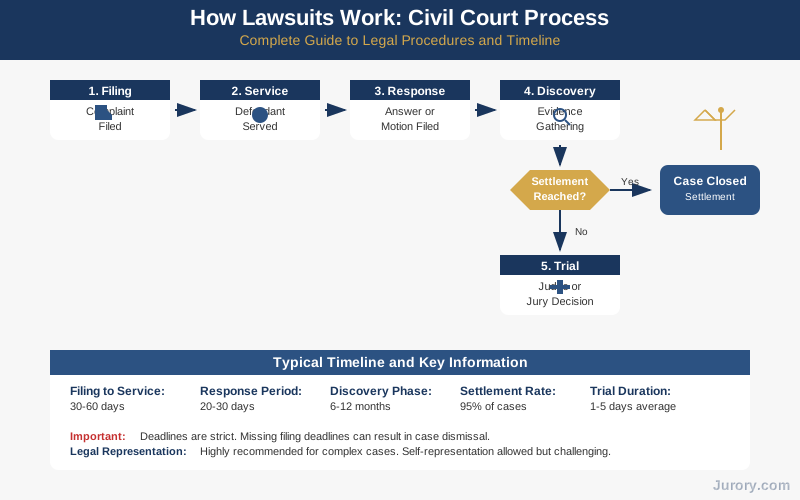
First comes the filing and service process, which sounds simple but trips up tons of people who try to handle lawsuits themselves. The plaintiff files the complaint with the appropriate court (more on picking the right court in a minute), pays filing fees that range from 75 dollars in small claims courts to over 400 dollars in federal district courts, then serves the defendant with official copies of all the paperwork. Service has to follow strict rules - can't just email the documents or leave them on someone's doorstep in most cases.
Defendants get a limited time to respond, usually 20 to 30 days depending on the jurisdiction. They can file an answer admitting or denying each allegation, or they can file motions to dismiss arguing the case has fundamental legal problems. Some defendants try to ignore the lawsuit entirely, hoping it goes away. Bad move. Courts enter default judgments against no-show defendants about 43 percent of the time, meaning the plaintiff automatically wins.
Then comes discovery. This phase can last months or even years in complex cases, and it's where both sides dig for evidence through document requests, depositions (sworn testimony outside of court), written interrogatories, and requests for admissions. Think of it as legal detective work with strict deadlines and formal procedures.
But most cases never reach trial. Statistics show that roughly 95 percent of civil lawsuits settle out of court, either through direct negotiation between the parties or through mediation where a neutral third party helps broker a deal.
What Lawsuits Actually Cost
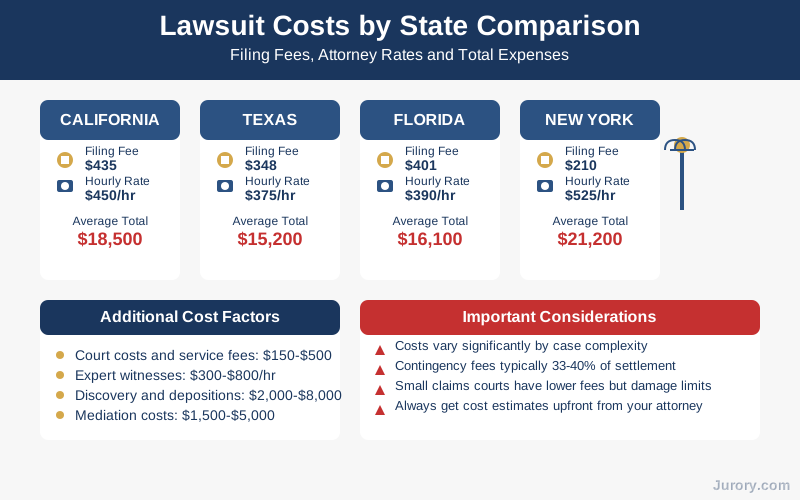
The money talk nobody wants to have. Filing fees are just the beginning of lawsuit expenses, and the total costs can shock people who aren't prepared for what they're getting into.
Attorney fees vary wildly by location, case complexity, and lawyer experience. Personal injury attorneys usually work on contingency fees (taking 33 to 40 percent of any settlement or judgment), but other civil attorneys charge hourly rates from 200 dollars to 800 dollars or more. A simple contract dispute might cost 5,000 to 15,000 dollars in legal fees. Complex business litigation? Try 50,000 to 200,000 dollars or higher.
And those aren't the only expenses. Court reporters charge 300 to 500 dollars per day for depositions. Expert witnesses can cost 2,000 to 10,000 dollars depending on their specialty and how much testimony they provide. Add in copying costs, filing fees for motions, service fees, and other miscellaneous expenses, and the total bill climbs fast.
Thing is, winning doesn't guarantee you'll collect money from the other side.
Even if you get a judgment, you still have to actually collect it, which can involve wage garnishments, asset seizures, or other collection procedures that cost more money and take more time.
How Different States Handle Lawsuits
State rules matter more than most people realize. And they vary significantly.
Arkansas has some of the lowest filing fees in the country - just 165 dollars to start a civil case in circuit court - but the state also has shorter statutes of limitations for many types of claims compared to other states. Personal injury cases must be filed within three years, and contract disputes within five years. Miss those deadlines and your case gets thrown out no matter how strong your evidence is.
Pennsylvania takes a different approach with higher filing fees (around 300 dollars for most civil cases) but longer time limits for filing claims. The state also requires mandatory arbitration for cases seeking less than 50,000 dollars in damages, which can speed up resolution but limits your right to a jury trial unless you appeal the arbitrator's decision.
Wisconsin courts charge about 275 dollars to file most civil lawsuits, and the state has unique small claims procedures that allow plaintiffs to seek up to 10,000 dollars in damages without needing an attorney. But Wisconsin also has strict service requirements that catch out-of-state plaintiffs off guard.
Tennessee keeps filing fees reasonable at around 185 dollars but has some of the shortest statutes of limitations in the country. Contract claims must be filed within six years, but that drops to just one year for certain types of business disputes.
Michigan stands out for its high damage caps in certain types of cases and relatively expensive filing fees starting around 350 dollars for circuit court cases. The state also has complex venue rules about which county you can file in, and picking the wrong court can get your case dismissed or transferred, costing you time and money.
Mistakes That Destroy Otherwise Good Cases
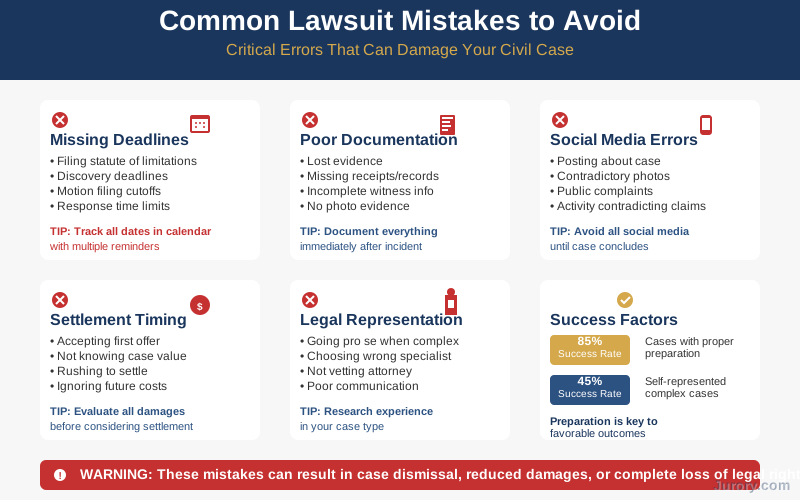
People mess up lawsuits in predictable ways. Here are the big ones:
• Filing in the wrong court or jurisdiction - sounds basic, but happens constantly when people try to sue someone who lives in a different state or when they don't understand the difference between state and federal court requirements
• Missing deadlines, especially statute of limitations deadlines that bar cases completely, plus discovery deadlines and motion filing deadlines that can get evidence thrown out
• Poor documentation and evidence preservation - deleting text messages, throwing away receipts, or failing to take photos of property damage
• Unrealistic expectations about damages and settlement values based on stories they heard from friends or saw on TV rather than actual legal precedent
• Representing themselves in complex cases beyond small claims court level, then getting overwhelmed by procedural rules and formal evidence requirements
The reality about lawsuits? They're slow, expensive, and unpredictable. But sometimes they're the only way to get justice when someone has seriously wronged you and won't make it right voluntarily.
Frequently Asked Questions
How long do most lawsuits take from start to finish?
Simple cases that settle quickly can wrap up in 6 to 12 months, but the average civil lawsuit takes 18 to 24 months to resolve. Complex cases involving multiple parties or technical issues can drag on for 3 to 5 years or longer.
Can you sue someone who has no money or assets?
Legally, yes - but practically, it's usually pointless since you can't collect what doesn't exist. Courts don't care if defendants can pay; they just decide who owes what. Collection is your problem.
What happens if you lose a lawsuit you filed?
You're typically responsible for your own attorney fees and court costs, though you usually don't have to pay the other side's legal bills unless the judge finds your case was frivolous. Some contracts or statutes do allow winning defendants to collect their attorney fees from losing plaintiffs.
⚖️ Get Free Legal Help
Need legal assistance with Personal Injury matters? Our platform connects you with experienced attorneys who can help. Describe your situation, and local lawyers will review your case and reach out to you directly.
Start Your Free Case Evaluation