Federal Criminal Charges: What Makes a Crime Federal vs State
Most people think all crimes get handled the same way. Wrong. Federal charges mean you're facing the full power of the United States government, not just your local prosecutor, and the difference can mean decades more in prison plus fines that'll bankrupt three generations of your family.
What Makes a Crime Federal
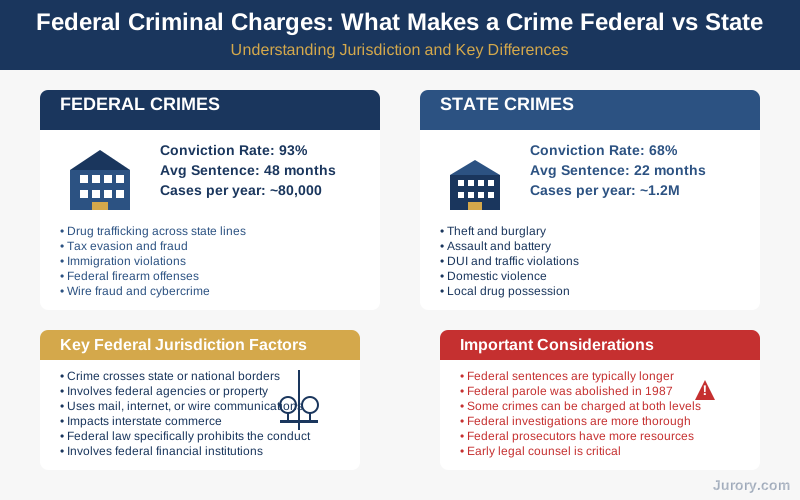
Federal crimes happen when you cross state lines, use the internet, or mess with federal agencies. Simple as that. But here's where it gets tricky - the same action can be both a state AND federal crime, which means prosecutors get to pick their favorite playground, and trust me, they'll choose whichever gives them the better shot at putting you away for longer.
The magic trigger? Interstate commerce. Mail fraud, wire fraud, drug trafficking, bank robbery, kidnapping across state lines - these automatically become federal matters. And cybercrime? That's almost always federal territory since the internet doesn't respect state boundaries. Gun charges can go either way, but if you're a felon with a firearm or you bought it across state lines, expect federal prosecutors to take interest.
Federal agencies like the FBI, DEA, ATF, and Secret Service don't mess around. They've got unlimited resources compared to local cops. Years to build cases. The conviction rate in federal court sits around 93 percent - meaning if they charge you, they're pretty confident they'll win.
How Federal Criminal Cases Work
⚖️ Need legal help? Submit your case for a free evaluation and get matched with qualified Criminal Law attorneys.
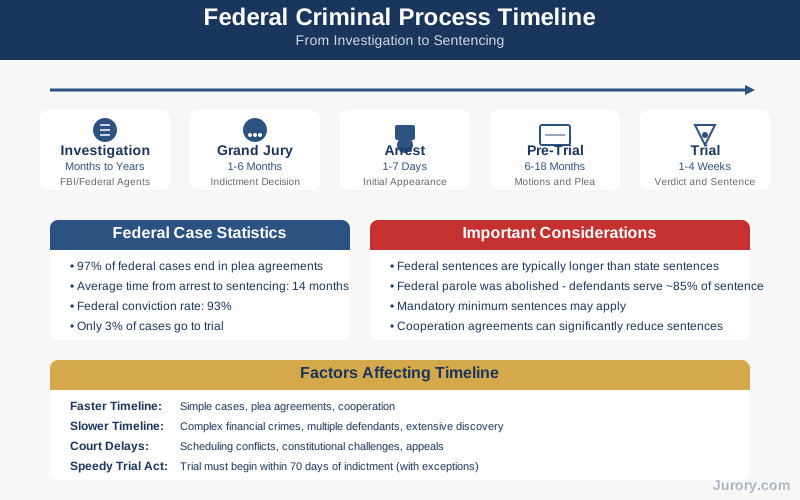
Federal cases move differently than state court. Everything's bigger, slower, and more expensive. The process starts with a federal investigation that can last months or years before you even know you're a target.
First, you get indicted by a grand jury. That's 16 to 23 people who hear evidence in secret and decide if there's probable cause. You don't get to defend yourself here - it's just prosecutors presenting their case. Most defendants don't even know this is happening until they get arrested.
Then comes arraignment in federal district court. You'll hear the charges, enter a plea, and find out about bail. Federal judges are way more conservative about bail than state judges. They assume you're a flight risk if the charges are serious.
Discovery takes forever. Federal prosecutors have to turn over evidence, but they're in no hurry. Cases routinely take 12 to 18 months just to get to trial. And federal sentencing? Completely different beast. The Federal Sentencing Guidelines suggest specific prison terms based on your offense level and criminal history. Judges can deviate, but most don't stray far from the recommendations.
Costs and Legal Fees
Federal defense isn't cheap. Experienced federal criminal attorneys charge between 500 and 1,200 dollars per hour in major cities. A typical federal case can cost anywhere from 50,000 to 300,000 dollars depending on complexity. And that's just attorney fees.
Court costs add up fast. Filing motions costs money. Expert witnesses charge 400 to 800 dollars per hour. Investigators run about 75 to 150 dollars hourly. A federal trial lasting two weeks can easily generate 100,000 dollars in legal bills.
But here's the brutal truth - federal cases often involve asset forfeiture. The government can seize your house, cars, bank accounts, and business before trial. They claim these assets represent proceeds of criminal activity. Getting them back requires separate legal action that costs even more money.
State-Specific Federal Judicial Districts
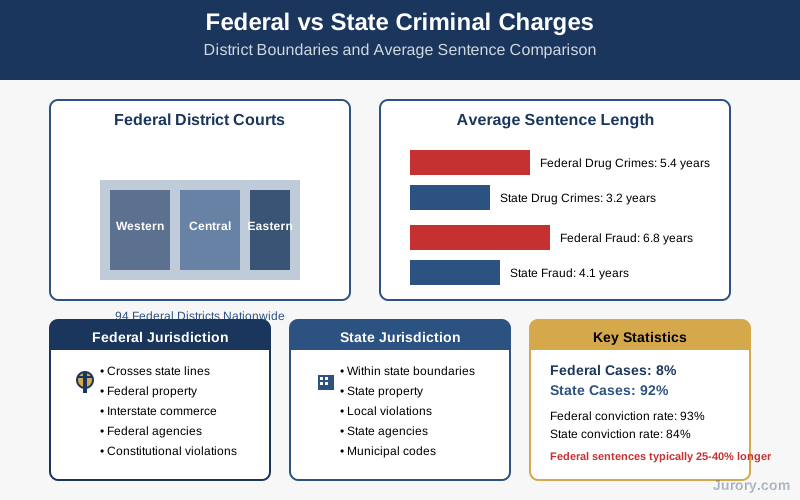
Oklahoma sits in three different federal districts - Northern, Eastern, and Western. The Western District handles most white-collar cases and has some of the toughest federal judges in the country. Drug cases there average 8.2 years in prison compared to 6.1 years nationally.
Ohio's Southern District covers Columbus and Cincinnati. They're famous for long sentences in financial fraud cases. The average embezzlement conviction there results in 4.7 years prison time, while the national average is 3.2 years.
Missouri's Eastern District includes St. Louis and processes tons of drug trafficking cases due to Interstate 70 running through major drug corridors. Federal prosecutors there secured 847 convictions last year with an average sentence of 7.8 years.
West Virginia forms a single federal district that handles lots of prescription drug cases. Federal sentences for pill mill operations average 12.3 years there - among the highest in the nation.
North Dakota's federal court stays busy with oil field crimes, fraud cases, and Native American jurisdiction issues. Their federal public defender office handles 73 percent more cases per attorney than the national average.
Common Mistakes That Make Everything Worse
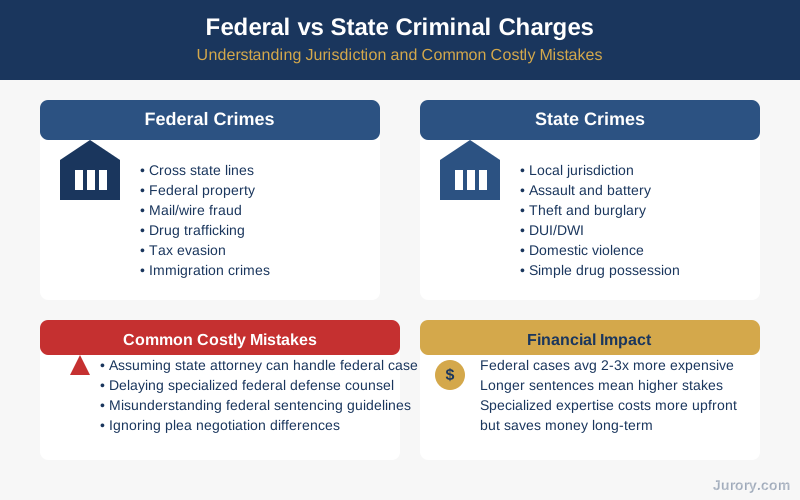
Here's what tanks federal cases:
- Talking to federal agents without a lawyer present - they're trained interrogators, not your friends, and anything you say gets twisted into evidence against you
- Hiring a state criminal lawyer who doesn't understand federal procedure (the rules are completely different and mistakes can't be undone)
- Waiting too long to get representation - federal investigations happen in secret for months before charges get filed
- Trying to cooperate your way out of charges without knowing what you're giving up
- Ignoring federal sentencing guidelines when negotiating plea deals
Federal judges don't appreciate lawyers who don't know federal rules. State court tactics don't work here.
Frequently Asked Questions
Can I be charged in both state and federal court for the same crime?
Yes, and it happens regularly. This isn't double jeopardy because state and federal governments are considered separate sovereigns. You could do state prison time, get released, then face federal charges for the same underlying conduct.
Are federal sentences always longer than state sentences?
Not always, but usually. Federal sentences average about 2.5 times longer than equivalent state charges. Plus, federal prison requires serving at least 85 percent of your sentence - no parole system exists at the federal level.
What happens if I can't afford a federal criminal defense attorney?
The court appoints a federal public defender if your income qualifies. These lawyers handle federal cases full-time and know the system well. But they're overworked - the average federal public defender handles 150 felony cases per year.
⚖️ Get Free Legal Help
Need legal assistance with Criminal Law matters? Our platform connects you with experienced attorneys who can help. Describe your situation, and local lawyers will review your case and reach out to you directly.
Start Your Free Case Evaluation