Creating Trusts for Estate Planning: Complete Guide to Protecting Your Assets
Most people think trusts are only for millionaires. They're wrong. About 32 percent of American families now use some type of trust as part of their estate planning, and the numbers keep climbing because trusts offer benefits that simple wills can't match. But here's the thing: setting up a trust isn't just about having money to protect.
What Are Trusts and Why They Matter
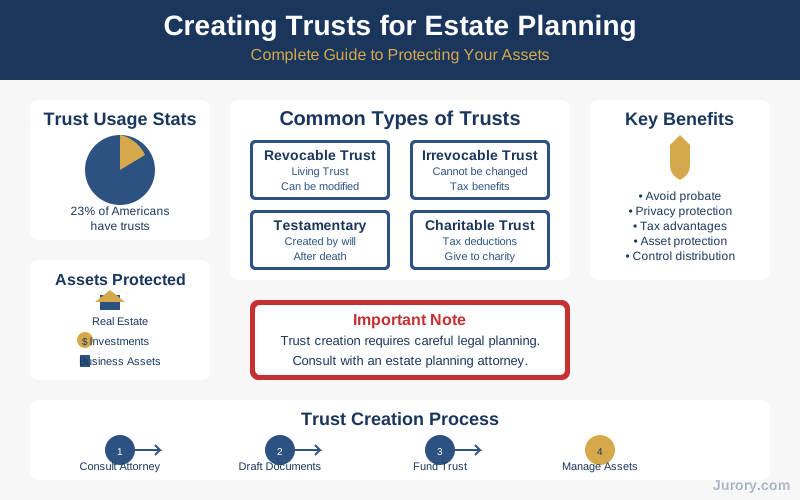
A trust is basically a legal arrangement where you transfer ownership of your assets to a separate entity that manages them according to your instructions. Think of it as a protective container for your stuff. The person creating the trust is called the grantor or settlor, the person managing it is the trustee, and the people who benefit are called beneficiaries.
Sounds simple? Not exactly. There are dozens of different trust types, each serving specific purposes and offering different advantages. Revocable living trusts let you maintain control while you're alive and avoid probate when you die. Irrevocable trusts offer better tax benefits and asset protection but require giving up control permanently. And that's just the beginning.
The real power of trusts lies in their flexibility. You can set up a trust to pay for your grandchild's college education, support a disabled family member for life, or donate to charity while reducing your tax bill. You can even create trusts that protect your assets from creditors, lawsuits, or a spendthrift heir who'd blow through an inheritance in six months.
How Trust Creation Actually Works
⚖️ Need legal help? Submit your case for a free evaluation and get matched with qualified Estate Planning attorneys.
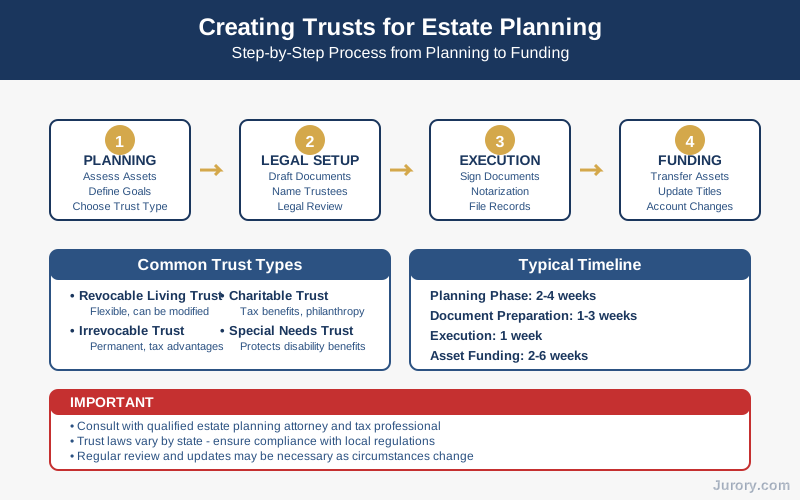
Creating a trust involves several distinct steps that most people underestimate. First comes the planning phase, where you decide what type of trust fits your goals and which assets to include. This alone can take weeks because you're making decisions that'll affect your family for generations.
Next, you'll need to draft the trust document. This isn't a one-page form you download online. A proper trust agreement runs 15 to 30 pages and includes detailed instructions for every scenario you can imagine. What happens if the trustee dies? How should income be distributed? When can beneficiaries access principal? The document must address all these questions and more.
But creating the paperwork is only half the battle. You've got to fund the trust by actually transferring assets into it. Real estate requires new deeds. Bank accounts need new titles. Investment accounts must be retitled. Business interests require updated ownership documents. This process, called funding, takes most people 2 to 4 months to complete properly.
Then there's the ongoing administration. Trusts don't run themselves. Someone has to manage investments, file tax returns, make distributions, keep records, and communicate with beneficiaries. Many people start as their own trustee but eventually need professional help.
Trust Costs and Fee Structures
Setting up a basic revocable living trust typically costs between 1,200 and 3,000 dollars for attorney fees, depending on your location and the complexity of your situation. Simple trusts in states like Arkansas might run closer to 1,500 dollars, while complex arrangements in high-cost areas can exceed 5,000 dollars.
But that's just the beginning. Annual administration costs vary widely based on trust type and assets involved. Corporate trustees typically charge 0.5 to 1.5 percent of trust assets annually, plus additional fees for transactions and special services. A trust holding 500,000 dollars might pay 3,500 dollars per year in trustee fees alone.
Tax preparation adds another layer of expense. Trust tax returns cost 400 to 1,200 dollars annually, depending on complexity. And if the trust owns rental property or operates a business? Those costs can double or triple quickly.
State-Specific Trust Laws and Requirements
Trust laws vary significantly from state to state, creating both opportunities and pitfalls for families. Ohio allows perpetual trusts that can last forever, making it popular for dynasty planning. The state also has no rule against perpetuities, letting wealthy families transfer assets across multiple generations without triggering estate taxes.
Virginia takes a different approach, limiting most trusts to about 90 years but offering excellent creditor protection for spendthrift trusts. The state also has favorable laws for charitable remainder trusts, making it attractive for philanthropic planning.
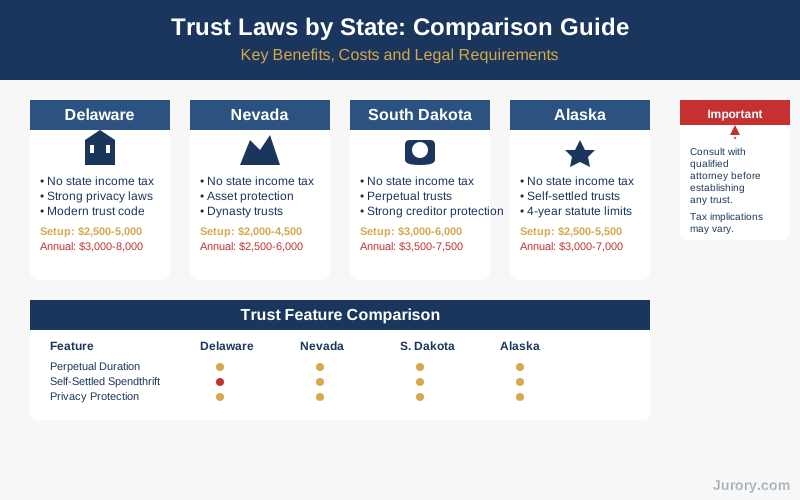
Indiana recently updated its trust code to allow directed trusts, where different people can oversee investments and distributions separately. This flexibility appeals to families with complex business holdings or unique beneficiary needs. Mississippi offers some of the strongest asset protection laws in the country, with self-settled spendthrift trusts that protect assets from most creditor claims. Arkansas has become increasingly trust-friendly, eliminating the rule against perpetuities and allowing beneficiaries to modify trust terms more easily than many states.
These differences matter more than you might expect. Choosing the wrong state for your trust could cost thousands in extra taxes or leave your assets vulnerable to creditors.
Common Trust Planning Mistakes
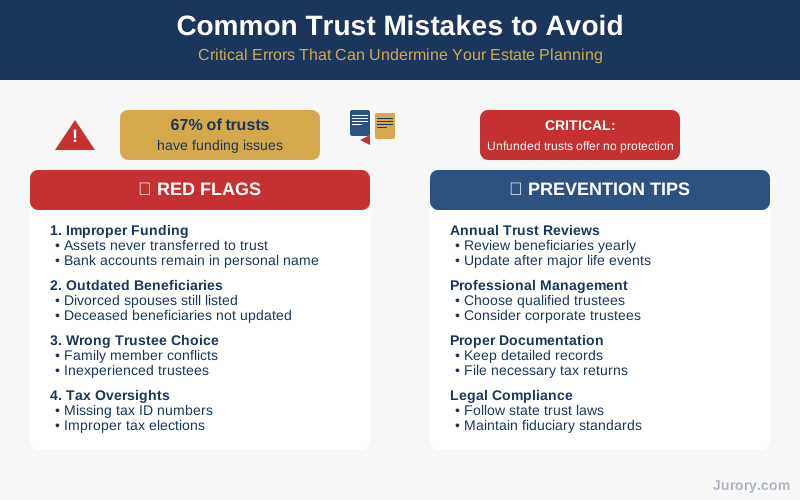
• Failing to fund the trust properly after creation - about 60 percent of people never complete this step, making their trust essentially worthless
• Choosing the wrong trustee or failing to name backup trustees when the original choice becomes unavailable
• Creating overly restrictive distribution terms that don't account for inflation or changing family circumstances over decades
• Mixing personal and trust assets, which can destroy liability protection and create tax problems
• Not coordinating trust planning with retirement account beneficiaries, life insurance policies, and other assets that transfer outside the trust
Look, trusts aren't magic bullets that solve every estate planning problem. But when used correctly, they offer powerful benefits that simple wills can't match. The key is understanding what you're trying to accomplish and getting professional help to do it right.
Frequently Asked Questions
How long does it take to set up a trust from start to finish?
Creating the trust document usually takes 2 to 6 weeks once you've made the basic decisions about structure and beneficiaries. Actually funding the trust by transferring assets takes another 4 to 8 weeks for most people. The whole process typically runs 3 to 4 months if you stay on top of the paperwork.
Can I be the trustee of my own revocable living trust?
Absolutely. Most people serve as trustee of their own revocable living trust during their lifetime, maintaining complete control over assets and decisions. You'll need successor trustees named to take over if you become incapacitated or die, but there's no requirement to give up control while you're able to manage things yourself.
Do trusts really help avoid probate court?
Yes, but only for assets actually titled in the trust's name. If you create a trust but never transfer your house, bank accounts, and investments into it, those assets will still go through probate. That's why proper funding is so critical - the trust only controls what you actually put into it.
⚖️ Get Free Legal Help
Need legal assistance with Estate Planning matters? Our platform connects you with experienced attorneys who can help. Describe your situation, and local lawyers will review your case and reach out to you directly.
Start Your Free Case Evaluation