Child Custody Laws: Types, Process, and What Parents Need to Know
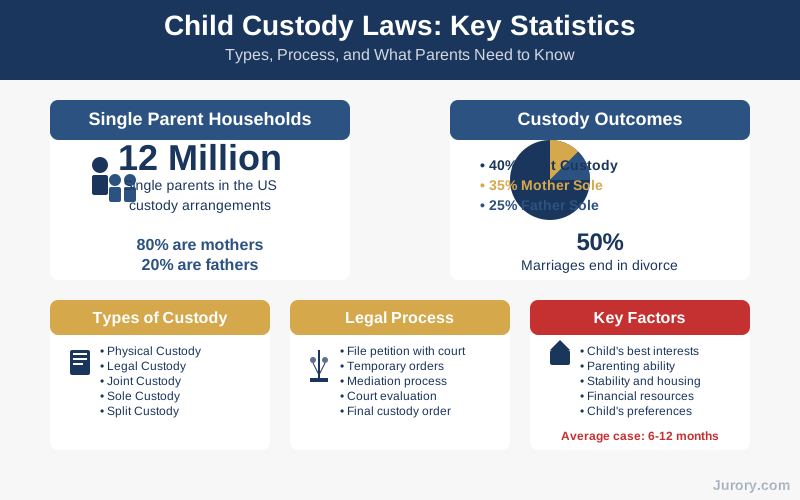
About 12 million single parents live in America today, and roughly 40 percent of all marriages end in divorce. That's a lot of custody battles.
What is Child Custody
Child custody isn't just one thing. There are actually two completely different types that courts handle separately, and most people don't realize this until they're sitting in a lawyer's office wondering why everything sounds so complicated.
Legal custody gives you the right to make big decisions about your kid's life - things like which school they attend, what medical treatments they receive, and how they're raised religiously. Physical custody determines where the child actually lives and spends their time. You can have one without the other. And that's where things get interesting.
Most people think custody is all-or-nothing. They're wrong.
Courts prefer joint custody arrangements these days, with about 79 percent of custody cases resulting in some form of shared arrangement between parents. But joint doesn't mean equal. One parent might have primary physical custody while both parents share legal custody, or parents might split physical custody 60-40 while one parent gets sole legal custody for major decisions.
The "best interest of the child" standard guides every custody decision, though what that means varies wildly from state to state and judge to judge.
How the Child Custody Process Works
⚖️ Need legal help? Submit your case for a free evaluation and get matched with qualified Family Law attorneys.
Filing for custody starts with paperwork. Lots of it.
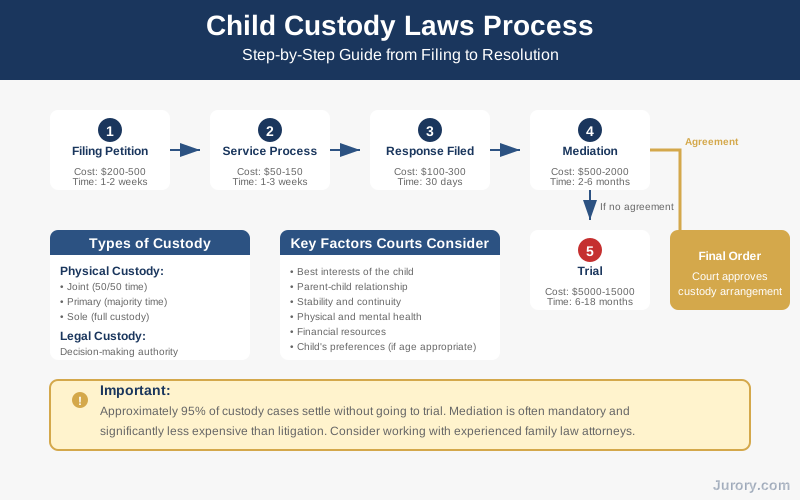
The parent initiating the custody case files a petition with the family court, paying filing fees that range from 150 dollars in some counties to over 400 dollars in others. And that's just the beginning. The other parent gets served with papers and has 20 to 30 days to respond, depending on the state.
Then comes discovery - the process where both sides gather evidence about parenting abilities, living situations, and financial stability. Bank statements, school records, medical files, even social media posts can become evidence. Some parents hire private investigators. Others dig through their ex's Facebook posts looking for photos of drinking or partying.
Mediation happens next in most states. Court-ordered mediation costs between 100 and 300 dollars per session, and sessions typically last 2 to 4 hours. About 60 percent of custody disputes get resolved during mediation without ever seeing the inside of a courtroom.
But if mediation fails? That's when things get expensive and messy. Custody trials can drag on for months, with attorney fees climbing past 15,000 dollars per parent in contested cases. The judge will hear testimony, review evidence, and sometimes order custody evaluations that cost another 2,500 to 5,000 dollars.
Costs and Fees
Custody battles aren't cheap. The average contested custody case costs between 3,000 and 40,000 dollars per parent, with most falling somewhere around 15,000 dollars when you factor in attorney fees, court costs, and evaluation expenses.
Simple uncontested custody agreements run much cheaper - typically 500 to 1,500 dollars in attorney fees if both parents agree on terms. Filing fees vary by state: California charges around 435 dollars, while Mississippi keeps it under 200 dollars. And that doesn't include service fees, which add another 75 to 150 dollars.
Guardian ad litem fees can really hurt your wallet. These court-appointed advocates for children charge 150 to 300 dollars per hour, and their investigations typically take 20 to 40 hours. Do the math.
State-Specific Information
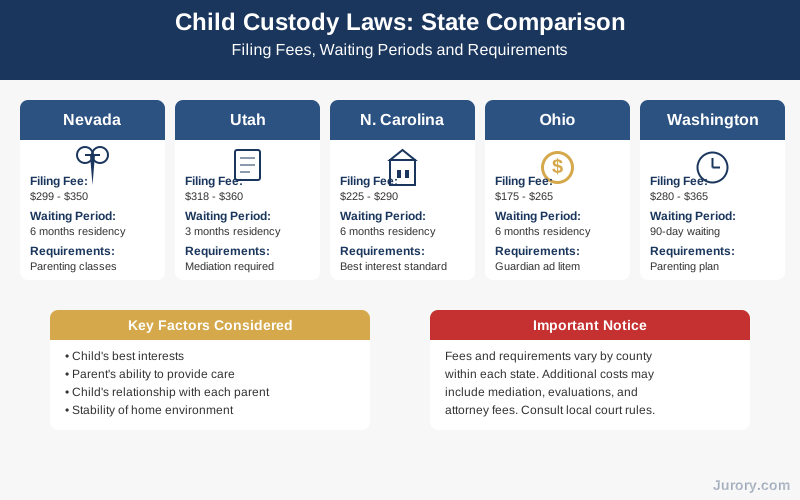
Nevada takes a unique approach to custody modifications. The state requires parents to wait 6 months after any custody order before requesting changes, unless there's evidence of endangerment. Filing fees run about 270 dollars, and the state strongly favors joint physical custody arrangements.
Utah has some of the strictest parenting plan requirements in the country. Every custody case must include a detailed parenting plan covering everything from holiday schedules to transportation arrangements, and the state provides a 23-page template that most attorneys recommend using. Court filing fees start at 185 dollars.
North Carolina calculates child support using specific custody time percentages, so getting the custody schedule wrong can cost thousands per year in support payments. The state also requires a one-year separation period before divorce, but custody can be determined during the separation.
Ohio allows grandparents to petition for custody or visitation rights in certain situations, which adds another layer of complexity to custody cases. And Ohio courts can order parenting classes that cost 75 to 200 dollars per parent.
Washington State has mandatory parenting seminars for all divorcing parents with minor children. These 4-hour classes cost about 50 dollars and must be completed within 60 days of filing.
Common Mistakes Parents Make
Here's what trips people up:
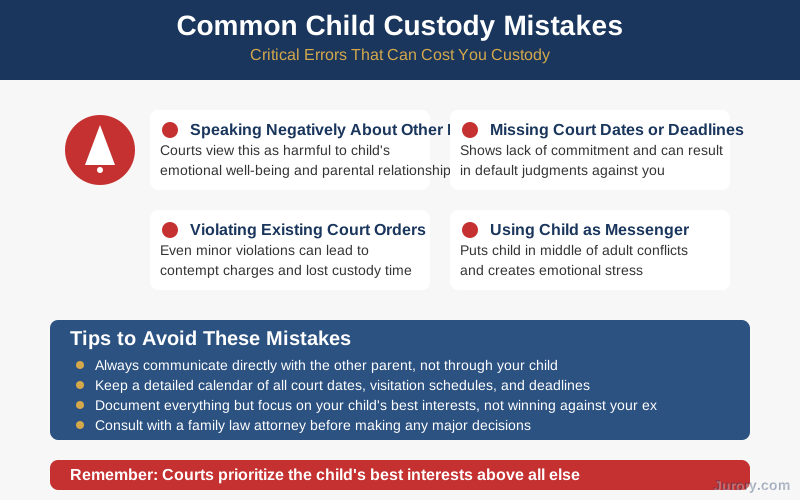
- Talking badly about the other parent in front of the kids - judges hate this and it can seriously hurt your case
- Not documenting everything (keep records of missed visits, late pickups, and all communication with your ex)
- Thinking that moving out of state will be easy once you have custody
- Refusing to negotiate and insisting on going to trial
- Using children as messengers between parents or asking them to choose sides
The biggest mistake? Assuming that mothers automatically get custody.
That stopped being true decades ago, but plenty of fathers still don't fight for custody because they think they can't win. Today's family courts focus on which parent can provide the most stability, not gender.
Frequently Asked Questions
Can I move to another state with my child after getting custody?
Not without permission from the court or the other parent. Most states require you to give 30 to 60 days notice and prove the move serves the child's best interests. Some states make it really hard to relocate with kids.
What happens if my ex doesn't follow the custody order?
Document every violation and file a contempt motion with the court. Judges can impose fines, order makeup time, or even change custody arrangements for repeated violations. But you can't just take matters into your own hands.
How old does my child need to be to choose which parent to live with?
There's no magic age, despite what people think. Some states let kids as young as 12 express preferences, while others wait until 14 or 16. But the judge always makes the final decision based on what's best for the child.
⚖️ Get Free Legal Help
Need legal assistance with Family Law matters? Our platform connects you with experienced attorneys who can help. Describe your situation, and local lawyers will review your case and reach out to you directly.
Start Your Free Case Evaluation