Chapter 7 Bankruptcy: Complete Guide to Liquidation Bankruptcy in 2024
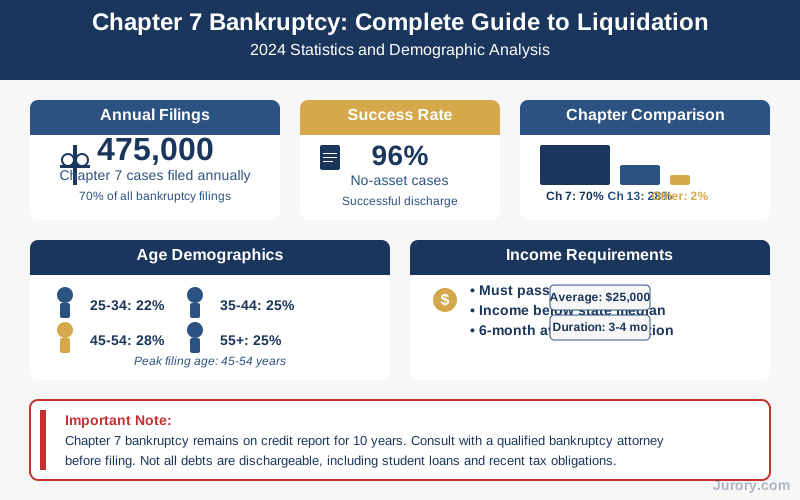
About 475,000 Americans filed for Chapter 7 bankruptcy last year. That's roughly 65 percent of all bankruptcy cases, making it the most common form of consumer bankruptcy relief in the country, and while the word "bankruptcy" still carries a stigma, most people who go through Chapter 7 describe it as life-changing in the best possible way.
What is Chapter 7 Bankruptcy
Chapter 7 bankruptcy eliminates most unsecured debts. Think credit cards, medical bills, personal loans, and old utility bills - they're gone. But here's what makes Chapter 7 different from other bankruptcy types: it's fast, taking just 4 to 6 months from filing to discharge, and you don't make monthly payments to creditors like you would in Chapter 13.
The trade-off? You might lose some property.
Most people think Chapter 7 means losing everything they own. Actually, about 96 percent of Chapter 7 cases are "no-asset" cases, meaning people keep all their stuff because state and federal exemptions protect their home equity, car, retirement accounts, and basic household items. And those exemptions are pretty generous - in many states, you can protect up to 170,000 dollars in home equity for a married couple.
But you've got to qualify first. The means test looks at your income over the past six months and compares it to your state's median income for your family size, and if you earn too much, you can't file Chapter 7 at all. That's where things get tricky, because the calculation includes everything: wages, rental income, Social Security, unemployment benefits, even money your relatives give you regularly.
How Chapter 7 Bankruptcy Works
⚖️ Need legal help? Submit your case for a free evaluation and get matched with qualified Bankruptcy attorneys.
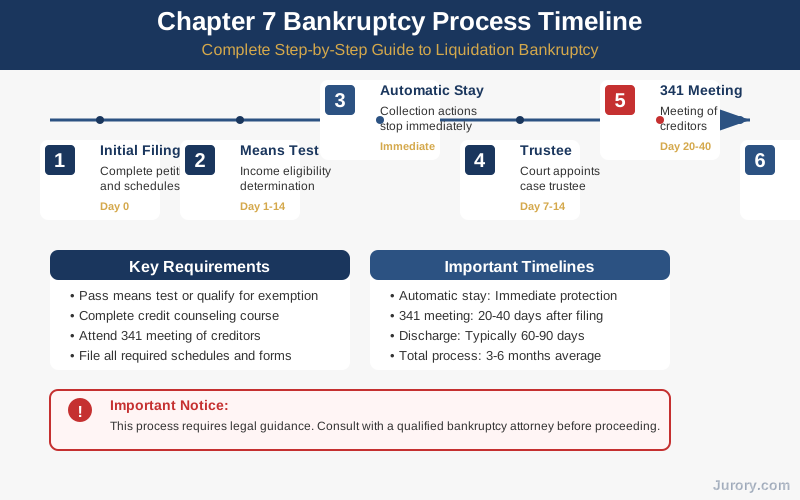
The process starts with paperwork. Lots of it. You'll list every debt, every asset, every financial transaction from the past few years, plus your income and expenses going back six months - and if you miss something or make an error, it can delay your case or worse.
Next comes the means test calculation. If your household income falls below your state's median, you automatically qualify, but if it's higher, you'll need to subtract allowed expenses from your income to see if there's money left over. Too much leftover income? Chapter 7 won't work.
Filing day involves submitting your petition, schedules, and supporting documents to the bankruptcy court along with a 338 dollar filing fee. Then the automatic stay kicks in immediately, stopping all collection calls, lawsuits, wage garnishments, and foreclosure proceedings against you - creditors legally can't contact you anymore.
The trustee gets appointed within days of filing. This person's job isn't to help you; they work for the court and creditors, looking for assets to sell and mistakes in your paperwork that could land you in trouble. And they're good at their job.
Your meeting of creditors happens about 30 to 40 days after filing, where the trustee asks questions under oath about your finances, assets, and paperwork - most meetings last under 10 minutes if you're prepared, but they can go longer if something looks suspicious. Creditors can show up to ask questions too. They rarely do.
Assuming no complications arise, the court issues your discharge order about 60 to 90 days after the meeting of creditors, officially wiping out your qualifying debts forever.
Costs and Filing Fees
The court filing fee costs 338 dollars nationwide. Period. But attorney fees vary wildly depending on where you live and how complicated your case looks.
Simple cases in smaller markets might cost 1,200 to 1,500 dollars in attorney fees. Complex cases in expensive cities can run 3,000 to 5,000 dollars or more, especially if you own a business, have multiple properties, or earned high income recently. Most bankruptcy lawyers require payment upfront since they can't chase you for fees after your discharge.
Then there's the credit counseling requirement. You need a pre-filing credit counseling session that costs about 25 to 50 dollars, plus a post-filing debtor education course running another 25 to 50 dollars - both must come from court-approved providers, and you can't skip either one.
State-Specific Rules and Exemptions
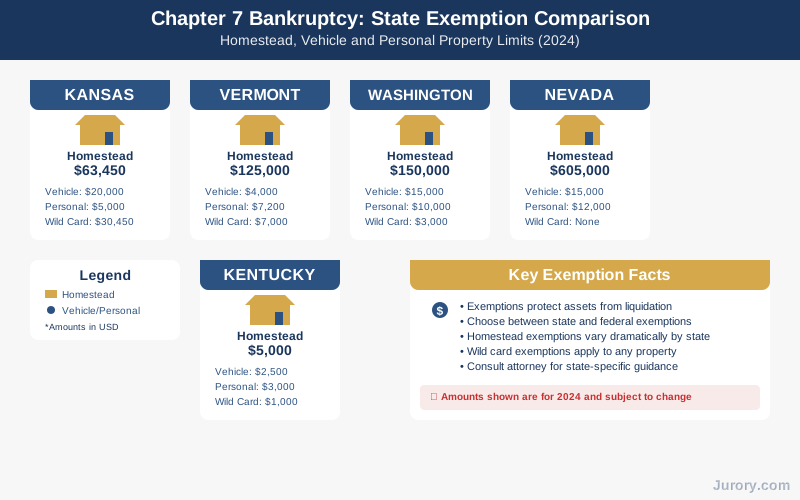
Kansas lets you choose between state and federal exemptions, and the state exemptions protect up to 60,000 dollars in home equity while federal exemptions currently protect about 27,900 dollars. Kansas also has an unlimited exemption for 401k and IRA retirement accounts.
Vermont uses federal exemptions only, but doubles them for married couples filing jointly. That means up to 55,800 dollars in home equity protection and 4,450 dollars for one vehicle - not bad for a small state.
Washington state offers some of the most generous exemptions in the country. Homeowners can protect up to 150,000 dollars in equity, and the state exempts 3,250 dollars for each vehicle you need for work or daily transportation. But Washington doesn't allow wage garnishment for most debts anyway, so many people there don't need bankruptcy at all.
Nevada splits the difference by letting debtors choose state or federal exemptions. State exemptions protect up to 605,000 dollars in home equity - yes, you read that right - while federal exemptions are much lower but protect more personal property.
Kentucky keeps things simple with state-only exemptions protecting 5,000 dollars in home equity and 2,500 dollars in vehicle equity. Not generous, but the state's low cost of living means those amounts go further than they would elsewhere.
Common Chapter 7 Mistakes That Derail Cases
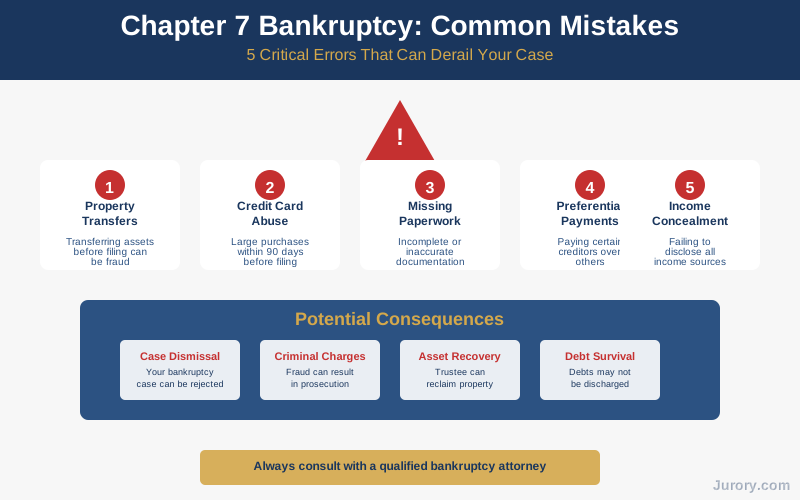
• Transferring property to family members before filing - the trustee can reverse these transfers and take the property anyway, plus you might face fraud charges for hiding assets
• Running up credit cards right before filing, especially for luxury purchases over 800 dollars or cash advances over 1,000 dollars in the months before filing
• Forgetting to list creditors or assets on your paperwork
• Taking money out of retirement accounts to pay bills before filing - those accounts are protected in bankruptcy, so you're throwing away exempt assets
• Not completing both required education courses from approved providers
Frequently Asked Questions
Can I keep my car and house in Chapter 7?
Usually, yes - if you're current on payments and your equity falls within state exemption limits. Most people reaffirm their car loans and either reaffirm mortgages or keep making payments informally.
Will Chapter 7 discharge my student loans?
Probably not. Student loans require proving "undue hardship" in a separate court proceeding, and courts use strict standards that most people can't meet. Only about 1 percent of Chapter 7 filers even try.
How long before I can buy a house after Chapter 7?
FHA loans become available 2 years after discharge with decent credit rebuilding. Conventional loans typically require 4 years, but some lenders offer programs for bankruptcy filers with larger down payments after 2 years.
Chapter 7 bankruptcy isn't right for everyone, and it's definitely not a decision to make lightly. But for people drowning in credit card debt, medical bills, or other unsecured obligations they can't realistically pay back, it offers a genuine fresh start that lets them rebuild their financial lives from a clean slate.
⚖️ Get Free Legal Help
Need legal assistance with Bankruptcy matters? Our platform connects you with experienced attorneys who can help. Describe your situation, and local lawyers will review your case and reach out to you directly.
Start Your Free Case Evaluation