Chapter 13 Bankruptcy: Repayment Plans and Property Protection Explained
Most people think bankruptcy means losing everything. That's wrong.
Chapter 13 bankruptcy lets debtors keep their property while repaying creditors through a court-approved payment plan. This reorganization process typically lasts three to five years and allows people to catch up on mortgage payments, car loans, and other secured debts without facing foreclosure or repossession.
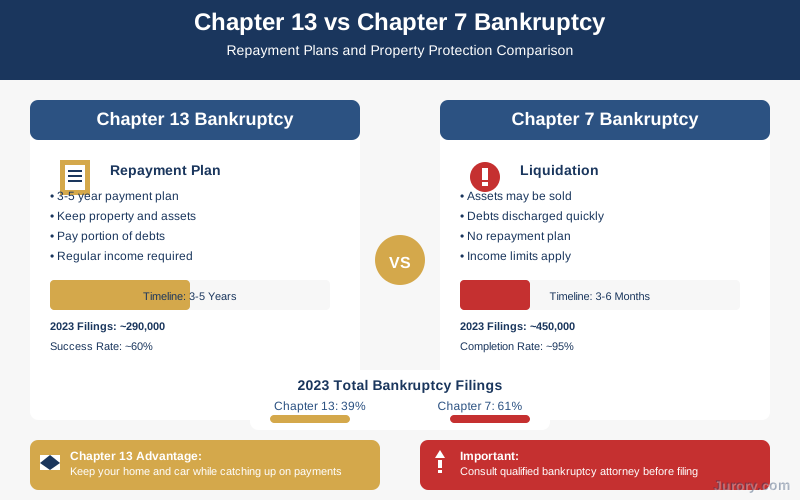
How Chapter 13 Works
The process starts with filing a petition in federal bankruptcy court. Debtors must submit detailed financial information including income, expenses, assets, and debts.
Here's the thing: Chapter 13 doesn't eliminate most debts immediately. Instead, it creates a structured repayment plan based on the debtor's disposable income. The bankruptcy trustee collects monthly payments and distributes them to creditors according to the court-approved plan.
Secured debts get priority treatment. Mortgage arrearages, car loans, and tax debts typically must be paid in full through the plan. Unsecured debts like credit cards and medical bills often receive partial payment or nothing at all, depending on the debtor's income and assets.
Take New Jersey for example - the state's median income for a family of four is about 89,000 dollars annually. Families earning above this amount must propose five-year plans, while those below can choose three-year plans.
Eligibility Requirements and Debt Limits
⚖️ Need legal help? Submit your case for a free evaluation and get matched with qualified Bankruptcy attorneys.
Not everyone qualifies for Chapter 13 protection. Current debt limits cap unsecured debts at 419,275 dollars and secured debts at 1,257,850 dollars as of 2023.
Debtors must have regular income. That includes wages, self-employment earnings, Social Security benefits, pension payments, or rental income. The key requirement is predictable monthly income sufficient to fund a repayment plan.
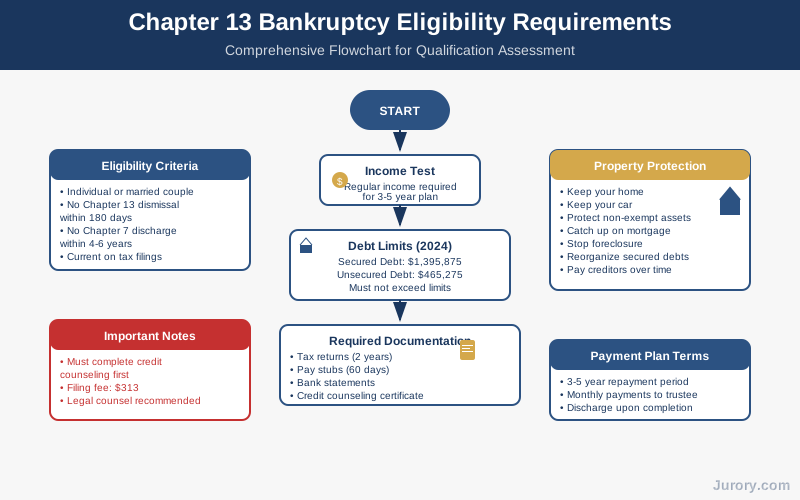
Previous bankruptcy filings create waiting periods:
- Four years from a prior Chapter 7 discharge
- Two years from a previous Chapter 13 discharge (with exceptions for good faith plans paying 70 percent or more to unsecured creditors)
- Six years from Chapter 7 if the new Chapter 13 plan pays unsecured creditors less than 70 percent
Credit counseling is mandatory. Debtors must complete an approved credit counseling course within 180 days before filing. And they'll need a second financial management course before discharge.
The Automatic Stay Protection
Filing Chapter 13 immediately triggers the automatic stay. This federal injunction stops most collection activities cold.
Creditors can't:
- Continue foreclosure proceedings
- Repossess vehicles or other secured property
- Garnish wages or bank accounts
- Pursue collection lawsuits
- Make collection phone calls or send demand letters
But the automatic stay has limits. Child support and alimony collection continues. Criminal proceedings aren't affected. And certain tax actions may proceed despite the bankruptcy filing.
The reality is that some creditors will test the automatic stay boundaries. Violations can result in monetary sanctions against creditors, but debtors must actively enforce their rights through the bankruptcy court.
Costs and Attorney Fees
Chapter 13 filing fees total 313 dollars nationwide. That includes a 235-dollar case filing fee, 75-dollar miscellaneous administrative fee, and 3-dollar trustee surcharge.
Attorney fees vary significantly by region and case complexity. Wisconsin attorneys typically charge between 3,000 and 4,500 dollars for Chapter 13 cases. Complex cases involving business debts or contested issues can easily exceed 6,000 dollars.
Most Chapter 13 attorneys accept partial payment upfront and include the remaining fees in the repayment plan. This arrangement allows debtors to file quickly without paying the full attorney fee in advance.
Trustee fees add another cost layer. Chapter 13 trustees collect up to 10 percent of plan payments as compensation for administering cases. On a 60-month plan paying 500 dollars monthly, trustee fees would total about 3,000 dollars over the plan's duration.
Plan Confirmation and Completion
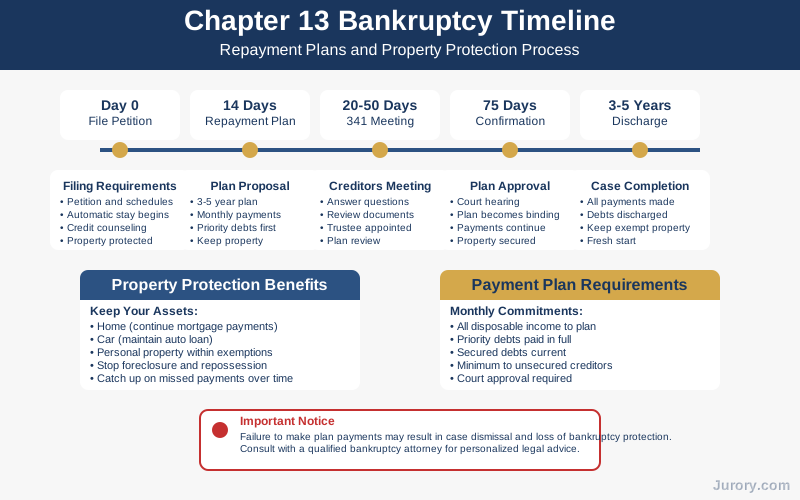
The confirmation hearing typically occurs 30 to 45 days after filing. The bankruptcy judge reviews the proposed repayment plan to ensure it meets legal requirements and treats creditors fairly.
Plans must pass the
⚖️ Get Free Legal Help
Need legal assistance with Bankruptcy matters? Our platform connects you with experienced attorneys who can help. Describe your situation, and local lawyers will review your case and reach out to you directly.
Start Your Free Case Evaluation