Assault & Battery Criminal Defense: Understanding Charges, Penalties, and Legal Options
Assault and battery charges can dramatically alter someone's life. These criminal accusations carry serious consequences including jail time, hefty fines, and permanent criminal records that affect employment, housing, and personal relationships for years to come.
Most people use "assault and battery" interchangeably, but they're actually distinct legal concepts. Understanding these differences becomes critical when facing charges or building a defense strategy.
What Are Assault and Battery Charges
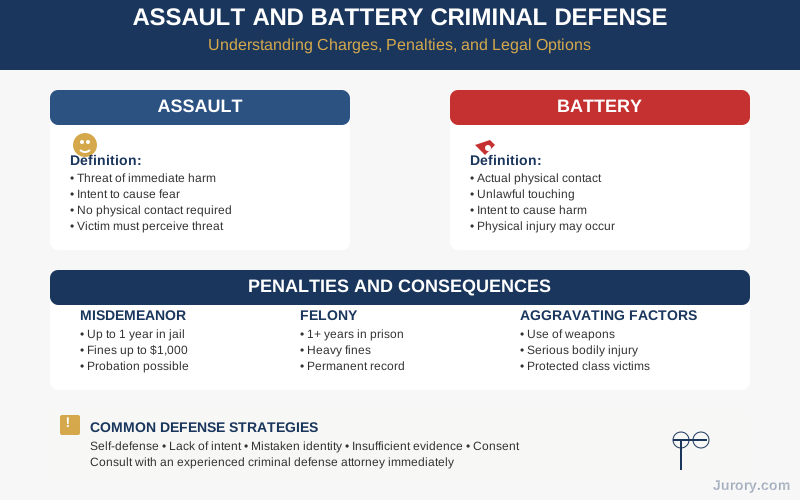
Assault doesn't require physical contact. The crime occurs when someone intentionally creates fear of imminent harm in another person. Think threatening gestures, verbal threats with apparent ability to carry them out, or swinging a fist that misses its target.
Battery involves actual physical contact. Unwanted touching counts. So does spitting on someone, throwing objects that make contact, or any harmful or offensive physical interaction without consent.
The reality is that prosecutors often charge both offenses together. And that makes sense - most battery cases involve assault first, then escalate to physical contact. But here's the thing: each charge carries separate penalties and requires different elements to prove in court.
Simple assault typically involves threats or attempts to cause harm without weapons or serious injury. Aggravated assault includes weapons, intent to commit serious crimes, or attacks on protected individuals like police officers. The distinction matters significantly for sentencing.
Simple battery covers basic unwanted touching or minor physical harm. Aggravated battery involves serious bodily injury, permanent disfigurement, or use of deadly weapons. Some states add domestic battery as a separate category with enhanced penalties for family violence cases.
Self-defense remains the most common defense strategy. Others include lack of intent, consent, defense of others, or challenging witness credibility. Mental health issues, intoxication, or mistaken identity can also factor into defense approaches depending on case circumstances.
How Assault and Battery Cases Work Through the Legal System
⚖️ Need legal help? Submit your case for a free evaluation and get matched with qualified Criminal Law attorneys.
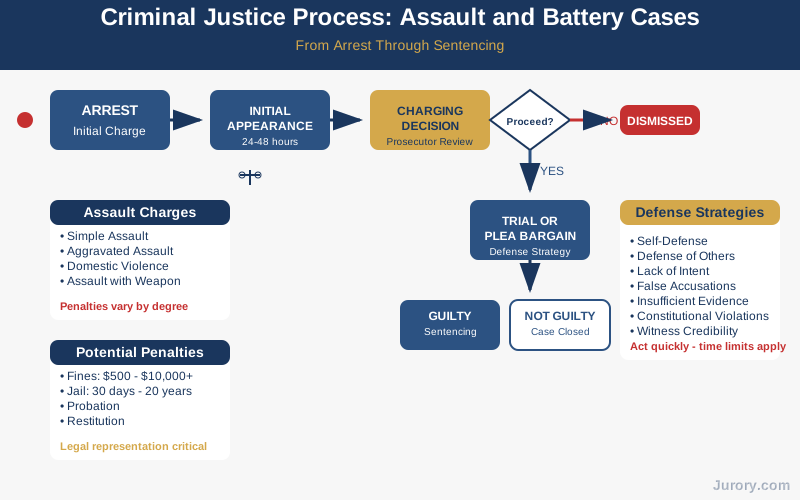
Law enforcement responds to complaints or witnesses. They gather evidence, interview parties involved, and decide whether to make arrests. Police reports become crucial evidence, so accuracy matters tremendously.
Initial charges get filed by prosecutors. Defendants get arraigned and enter pleas. Most people don't realize that prosecutors can upgrade or modify charges based on additional evidence or victim injuries that worsen over time.
Pretrial motions shape case outcomes significantly. Defense attorneys file motions to suppress evidence, dismiss charges, or exclude witness testimony. These procedural steps often determine whether cases go to trial or result in plea negotiations.
Discovery involves both sides exchanging evidence. Prosecutors share police reports, witness statements, medical records, and any video evidence. Defense teams investigate circumstances, interview witnesses, and gather evidence supporting their client's version of events.
Plea bargaining resolves about 90 percent of criminal cases. Prosecutors might offer reduced charges, lighter sentences, or alternative programs like anger management or community service. But accepting plea deals means giving up the right to trial.
Trials require prosecutors to prove guilt beyond reasonable doubt. They must establish that defendants committed each element of the charged offenses. Defense attorneys challenge evidence, cross-examine witnesses, and present alternative explanations for events.
Sentencing happens after convictions or guilty pleas. Judges consider criminal history, case circumstances, victim impact statements, and state sentencing guidelines. First-time offenders often receive lighter sentences than repeat offenders.
Costs and Legal Fees for Assault and Battery Defense
Defense attorney fees vary dramatically by location and case complexity. Simple assault cases might cost 2,500 to 5,000 dollars for basic representation. Aggravated assault or battery charges involving serious injuries can reach 15,000 to 25,000 dollars or more.
Court costs add up quickly. Filing fees, transcript costs, expert witness fees, and investigation expenses easily add 1,000 to 3,000 dollars to total case costs. Complex cases requiring forensic experts or private investigators cost significantly more.
Bail amounts depend on charge severity and defendant flight risk. Simple assault bail might range from 1,000 to 5,000 dollars. Aggravated charges or repeat offenses can result in 10,000 to 50,000 dollar bail amounts or higher.
Public defenders represent indigent defendants at no cost. But caseloads often exceed 100 cases per attorney, limiting time for individual case preparation. Private attorneys typically provide more personalized attention and resources.
That said, conviction costs extend far beyond legal fees. Fines range from 500 dollars for simple assault to 10,000 dollars or more for felony charges. Restitution to victims covers medical bills, lost wages, and property damage without limits.
State-Specific Assault and Battery Laws
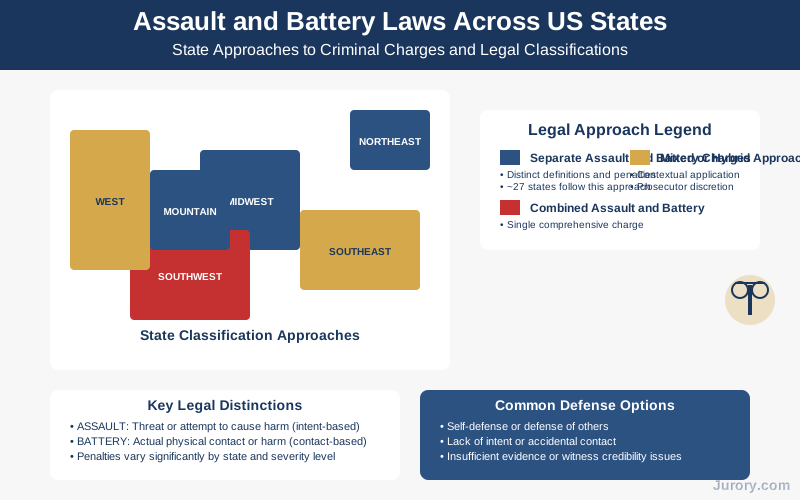
Illinois separates assault and battery into distinct offenses with different penalties. Simple assault carries up to 30 days in jail and 1,500 dollar fines. Battery involving physical contact can result in one year imprisonment and 2,500 dollar penalties. Aggravated versions become felonies with potential prison sentences.
New Hampshire combines assault and battery into single "simple assault" charges. First-degree assault involves serious injury and carries up to 15 years prison time. Domestic violence cases get enhanced penalties and mandatory arrest policies when probable cause exists.
West Virginia defines assault as threatening harm and battery as causing harm. Simple assault is a misdemeanor with 12-month maximum jail time. But domestic battery becomes a felony for third offenses, carrying two to ten years imprisonment.
Minnesota's assault statute covers both threatened and actual harm in one offense. Fifth-degree assault involves fear of harm or minor physical contact. First-degree assault requires great bodily harm and carries up to 20 years in prison plus 30,000 dollar fines.
Alaska treats assault in four degrees. Fourth-degree assault covers minor physical contact and threats. First-degree assault involves serious physical injury with dangerous instruments and can result in 20-year prison sentences. The state also has specific provisions for domestic violence cases.
Common Mistakes to Avoid in Assault and Battery Cases
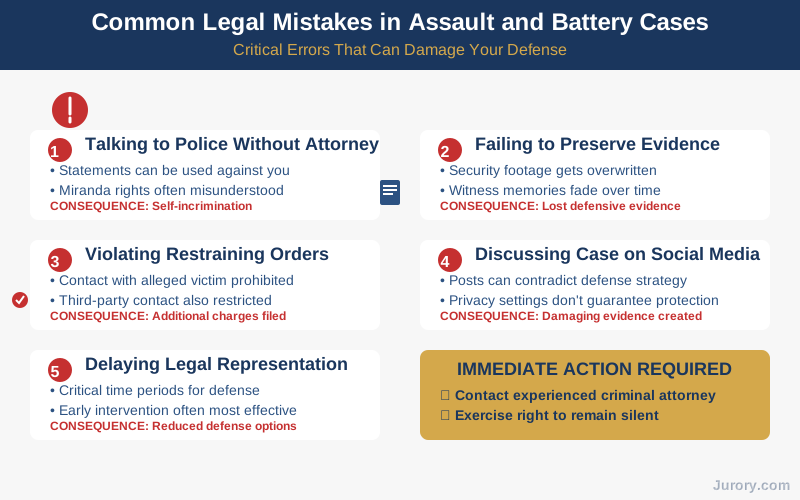
- Talking to police without an attorney present - Statements made during arrest often get used against defendants in court, even when people think they're helping their case by explaining circumstances.
- Contacting the alleged victim directly - Many jurisdictions issue automatic no-contact orders, and violations can result in additional charges and jail time while cases are pending.
- Posting about the incident on social media - Prosecutors regularly check social media accounts for evidence, and posts can contradict defense strategies or show lack of remorse.
- Missing court appearances or violating bail conditions - Failures to appear result in additional charges and bench warrants, while bail violations can lead to pretrial detention.
- Waiting too long to hire defense counsel - Early attorney involvement helps preserve evidence, interview witnesses while memories are fresh, and build stronger defense strategies from the beginning.
Frequently Asked Questions
What's the difference between misdemeanor and felony assault charges?
Misdemeanor assault typically involves minor injuries or threats without weapons and carries up to one year in jail. Felony assault includes serious bodily harm, use of weapons, or attacks on protected individuals and can result in multiple years in prison with permanent felony records.
Can assault charges be dropped if the victim doesn't want to press charges?
Prosecutors make charging decisions, not victims, and can proceed with cases even when victims don't cooperate. But victim cooperation affects case strength, and prosecutors sometimes dismiss charges when key witnesses won't testify.
How long do assault and battery convictions stay on criminal records?
Most assault and battery convictions remain on criminal records permanently unless expunged or sealed through legal processes. Some states allow record sealing after specific time periods, but requirements vary significantly by jurisdiction and offense severity.
⚖️ Get Free Legal Help
Need legal assistance with Criminal Law matters? Our platform connects you with experienced attorneys who can help. Describe your situation, and local lawyers will review your case and reach out to you directly.
Start Your Free Case Evaluation