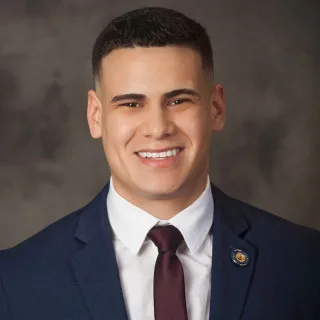
About Tyler
Tyler Allen practices law after completing his legal studies and entering the profession. His training provided the foundation for a steady career in a field that rewards careful thinking and clear communication. He holds membership in a professional association and remains engaged in the organized legal community.
Early in his career Allen built experience handling the routine demands of private practice. He handled client intake, prepared filings, and managed case calendars. He also spent time learning courtroom procedure and the rhythms of negotiation. Those early responsibilities shaped a practical approach to problem solving. He balances attention to detail with a sense of urgency when matters require prompt attention.
Over time Allen expanded the scope of his work to include more complex matters. He has worked in roles that required drafting substantive documents, advising clients on procedural choices, and coordinating with other professionals. Colleagues describe his style as methodical. He prepares records carefully and frames options in terms clients can understand.
Allen’s everyday practice centers on the core skills that lawyers use most: analysis, advocacy, and clear writing. He spends significant hours reviewing facts, identifying issues that change case strategy, and outlining likely outcomes. When matters move toward resolution, he negotiates terms and structures agreements. When disputes require hearing or trial, he focuses on presenting a coherent narrative and practical legal arguments.
Outside casework Allen participates in professional gatherings and maintains contacts across the profession. He keeps abreast of procedural developments and changes in local practice. That ongoing engagement means he is familiar with current filing practices and recent procedural trends that affect case management.
Clients and other lawyers note that Allen is straightforward in his assessments. He explains options plainly. He does not overpromise outcomes. He aims to match strategy to a client’s tolerance for risk and timelines for resolution. The result is a pragmatic relationship that often emphasizes clear next steps.
Today Allen continues to serve clients while taking part in the legal association where he holds membership. He manages a caseload that reflects the procedural and advocacy skills he has developed and maintains an active role in practice matters that arise in his work.