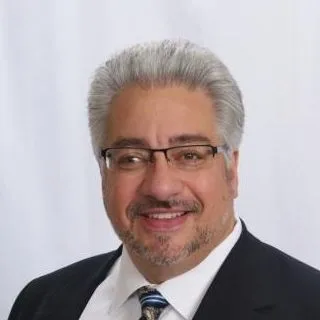
About John
John Petorak followed an academic course that moved from education into the law. He holds a Bachelor of Science and a Master of Science in Education, and later earned a J.D. from Western Michigan University Cooley Law School. Those credentials shape how he approaches legal questions and how he explains them to clients.
Petorak's undergraduate and graduate work was in education. He completed classroom-based and theoretical study before turning to law school. At Cooley he studied core subjects that form the foundation of general practice. The combination of education degrees and a law degree gives him a dual perspective on disputes that touch schools, students and educators.
He is admitted to practice in Pennsylvania. Since joining the bar he has built a practice inside that jurisdiction. He works with clients on matters governed by Pennsylvania law, and he handles filings and court appearances within state rules and procedures. Colleagues describe him as methodical in preparing legal papers and clear in courtroom explanations.
Petorak draws on his academic background when he evaluates problems that involve educational institutions. He reads statutes and policies with an eye toward how they affect classroom operations and school administration. That approach informs his advice on administrative hearings, compliance questions and disputes that arise in academic settings. He also handles matters that require an understanding of how educational practice and law intersect.
Outside matters tied to education, he addresses a range of civil law issues encountered in state practice. He prepares pleadings, negotiates settlements, and represents clients at hearings. His work is practical and aimed at resolving the immediate legal question. He does not rely on jargon when explaining options. He prefers plain language that clients can use to make decisions.
Colleagues and clients see him as someone who translates between two worlds: the world of schools and the world of courts. That translation can be useful where policy language meets everyday educational decisions. He maintains an active license in Pennsylvania and continues to practice there, concentrating his work on legal matters that intersect with education and related state-law issues.