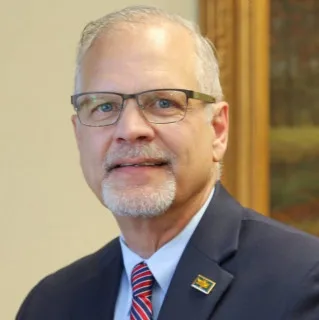
About James B. Snow
James B. Snow III built a career that mixes private practice and active bar work. He studied history and political science as an undergraduate, earning a B.A. from the University of Pennsylvania in 1979. He continued his legal education at the University of North Carolina School of Law and received his J.D. in 1982. Those formative years set the stage for a long involvement in business and property law circles.
Early in his career Snow turned to professional service as a regular part of his work. He has held leadership roles in the North Carolina State Bar’s Fifth Judicial District, serving as Secretary-Treasurer in 1989–1990 and then as Chairman of the Young Lawyers Division from 1990 to 1992. At the local level he was active in the New Hanover County Bar Association and served on its Executive Committee from 1990 to 1994.
His participation extended beyond local groups. Snow has been a member of the American Bar Association’s Business Law Section. Within the North Carolina Bar Association he has been involved in both the Business Law and Real Property Law Sections. He served on the Business Law Section Council from 2004 to 2008 and was Chair of that Council for the 2007–2008 term. Those roles put him in regular contact with lawyers working on transactional matters, corporate governance and property issues across the state.
Snow is admitted to practice in North Carolina and in the U.S. Virgin Islands. That dual admission has shaped the geographic reach of his work. It has also influenced the variety of regulatory and transactional matters he has encountered over the years.
Colleagues describe him as steady and practical in handling routine and complex matters. His record of bar service suggests an interest in shaping practice standards and in mentoring younger lawyers. He has combined committee work with day-to-day client counseling and courtroom appearances when needed.
He continues to practice law, handling business law and real property matters for clients in his admitted jurisdictions. His current practice centers on transactional work and property-related issues in North Carolina and the U.S. Virgin Islands.