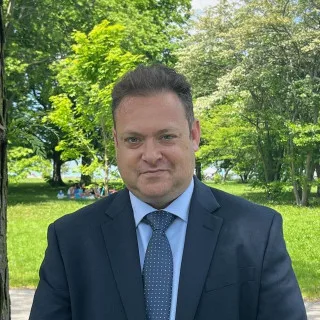
About Christopher William
Christopher William Holwell began his path to law after studying philosophy at the University of Illinois–Chicago, where he completed a Bachelor of Arts in 1996. He went on to earn his Juris Doctor from The John Marshall Law School, finishing the program in 2002. Those years shaped a practical approach to legal problems and a preference for courtroom work.
After law school he entered litigation. Records show he served as a trial lawyer at the Santilli law group in 2008. That role put him in court frequently and gave him day-to-day experience managing civil trials. He handled evidence, witnesses, and routine courtroom strategy. Over time he moved between trial-level work and matters that required appellate attention.
Holwell is admitted to practice before the courts that matter to litigators. He holds admission in Illinois and has credentials to appear before the U.S. Court of Appeals for the Federal Circuit and the U.S. Supreme Court. Those admissions reflect a career that spans both state and federal work and allows him to pursue appeals when trial outcomes need further review.
In professional circles he maintains ties to the Illinois legal community. He is a member of the Illinois State Bar Association and the Illinois State Bar. Those affiliations keep him connected to continuing legal education and the professional standards that govern courtroom practice.
Colleagues describe him as a lawyer who prefers clear legal analysis and direct advocacy. He gravitates toward cases where evidence and procedure are decisive. In practice he has alternated between developing trial theory and preparing appellate briefs that test trial rulings. He values the discipline that comes with courtroom procedure and the written precision that appellate work demands.
Outside of court appearances he spends time preparing witnesses, drafting pleadings, and researching statutory and case law. He adapts arguments to the specific tribunal, whether state court, the Federal Circuit or the Supreme Court. That pragmatic style shows in how he frames issues for judges and how he organizes trial presentation.
He continues to work on litigation matters in Illinois and to accept cases that may require federal appellate work. His current practice focuses on trial and appellate litigation in state and federal courts.